I know the knot you feel in your stomach when you read a strange medical term online. You might feel a rush of heat or a sudden chill. Your mind likely jumps to the worst possible outcome. You wonder if this hidden threat is sitting inside you or a loved one right now. The biggest hurdle you face is the lack of clear, honest information. Many sites use big words that only make you feel more lost. I am here to sit with you and look at the facts. We will clear away the fog of fear together.
The fear of death is a very heavy burden to carry alone. You are likely asking this question because you feel a loss of control over your health. When a name like “disohozid” pops up, it feels like a shadow is hanging over your future. I want to tell you that knowledge is the best way to turn that shadow into light. By the time we finish, you will know exactly how to protect yourself. You will understand why this condition is serious but also why there is a huge reason for hope.
The truth about “disohozid” is that it often acts as a catch-all name for several different crises. In the medical world, it is most often a phonetic mix-up for severe intestinal issues or rare bone growths. Because the name is confusing, many people wait too long to seek help. That wait is the real danger. I will show you how to identify the risks and what happens to your vital systems if you do not act—and finally answer the pressing question: can disohozid disease kill you?
How Untreated Conditions Impact Your Vital Organs
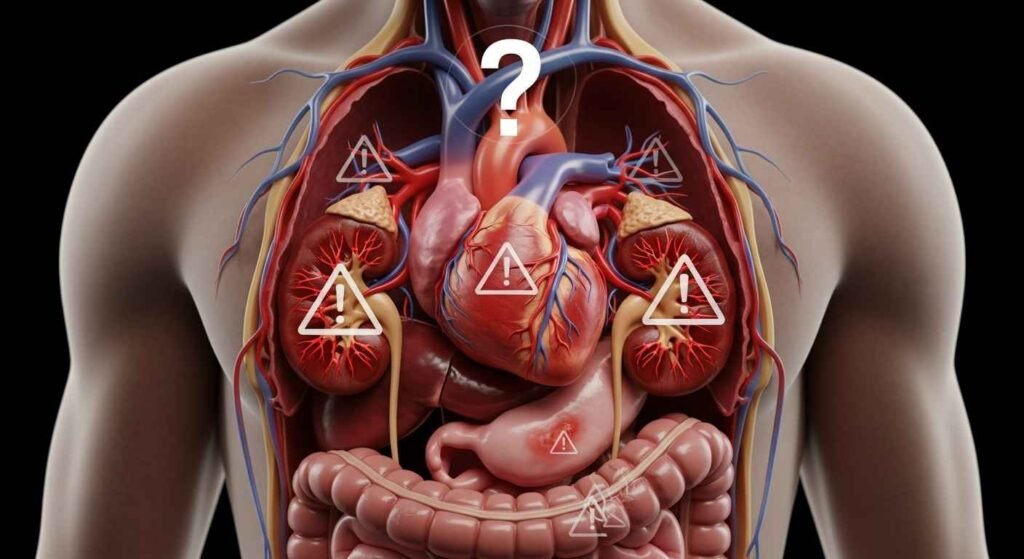
When a person suffers from what is called “disohozid disease,” the body starts to lose its balance. If the root cause is an infection, your digestive tract becomes the primary battlefield. Your intestines become so raw that they can no longer pull water into your blood. This is a critical failure because every single cell in your body needs water to breathe. Without it, your blood becomes thick and slow. This puts a massive strain on your heart as it tries to push that thick blood to your brain.
If the condition is left to wander through your system, your kidneys will be the next to struggle. These organs act like a filter for your city’s water supply. When you are dehydrated from an untreated infection, the “filters” dry out and start to crack. This allows toxins to build up in your blood. You might start to feel very sleepy or confused. This is not just tired; it is your brain reacting to the waste that your kidneys can no longer remove. This is the point where the risk of death becomes a real conversation.
In cases where the condition affects the skeletal system, the damage is slower but very steady. Extra bone begins to grow along the ligaments of your spine. This is like pouring hot wax over a hinge; eventually, the hinge will not move. If left alone, this growth can move toward the front of your neck. It can press against your esophagus, making it hard to swallow food. In very rare and extreme cases, it can even press on the tubes that carry air to your lungs. While this rarely kills a person instantly, it lowers your quality of life until your body becomes very weak.
The Reality of Mortality Rates and Survival
You want a straight answer on whether this can kill you. The honest answer is that the mortality risk depends entirely on the speed of your response. If “disohozid” refers to a severe bacterial infection, it is considered a medical emergency. In parts of the world where people cannot get clean water or doctors, many people do die from these symptoms. However, if you are reading this, you likely have access to help. With modern care, the chance of dying from these symptoms drops to nearly zero.
Most deaths related to these symptoms happen because of systemic collapse. This is when multiple organs stop working at the same time. This is often called “sepsis” or “multiple organ failure.” It happens when a germ enters the blood and travels to the heart and lungs. If you treat the germ early with the right pills, it never gets the chance to travel. This is why the survival rate is so high for those who do not wait. You have the power to stay on the side of the survivors by listening to your body today.
For those dealing with the bone-growth version of these symptoms, the survival rate is even higher. It is almost never a direct cause of death. The danger here is mostly from secondary issues. For example, if you cannot swallow well, you might accidentally breathe food into your lungs. This can cause a lung infection. By working with a therapist and a doctor, you can prevent these side issues from ever starting. You are not a victim of a name; you are a person with a manageable health challenge.
Identify Warning Signs Before Can Disohozid Disease Kill You Becomes a Reality
Your body is a very loud machine when it is in trouble. It will scream at you before it gives up. I call these “red flag” signs. If you see these, you must stop what you are doing and go to a hospital. These signs mean your organs are no longer able to keep up with the stress of the condition. You are no longer in a “wait and see” mode; you are in a “save your life” mode.
One major sign is a total loss of urine. If you go many hours without needing the bathroom, your kidneys are likely failing. This means the toxins are staying inside you instead of leaving. Another sign is a change in the color of your skin or eyes. If they start to look yellow, your liver is struggling to keep up. This is a sign that the “disohozid” issues have moved past your gut and into your internal chemical factory.
You should also watch for a very fast heart rate while you are just sitting still. If your heart is racing like you are running a marathon, it is trying to compensate for low blood volume. This is often paired with a feeling of “doom” or extreme anxiety. Your nervous system knows when the oxygen levels are dropping. If you feel these things, do not feel embarrassed to call for an ambulance. It is much better to have a false alarm than to miss a chance to save your life.
Why Early Diagnosis Changes Your Entire Future
The difference between a quick recovery and a long stay in a hospital is usually just a few days. When a doctor sees you early, they can stop the “domino effect.” If they give you fluids and medicine on day one, your kidneys never have to struggle. Your heart never has to race. Your brain stays clear and sharp. This is the “secret” to beating any condition that people label as deadly. You are cutting off the problem before it grows roots.
Doctors use very simple tools to find the truth. They will take a small amount of your blood to look at your white cell count. High white cells mean your “internal army” is fighting a war. They will also check your electrolyte levels. These are small salts in your blood that make your muscles and heart move. If these are low, they can pump them back into your arm with a small tube called an IV. This often makes people feel 100% better in just an hour or two.
If the issue is in your bones, an early X-ray allows you to start physical therapy. This keeps your joints loose. It prevents the “wax” from hardening over your hinges. By being proactive, you are making sure that “disohozid” remains just a word in a book and not a cage for your body. The fear you feel right now is actually a good thing; it is your instinct telling you to take action. Use that energy to book an appointment.
Breaking Down the Phases of Physical Decline
If you do not get help, the body goes through stages of decline. Understanding these stages can help you realize where you are and how much time you have. In the first phase, the symptoms feel like a bad flu. You are tired, your head hurts, and you might have an upset stomach. Most people think they just need sleep. While sleep is good, this is the best time to start drinking extra water and salt broths to keep your volume up.
In the second phase, the symptoms become “focused.” If it is an infection, the bathroom trips become constant and painful. You might see bright red colors, which means the lining of your gut is tearing. This is a high-pain point because it makes you afraid to eat or drink. But this is exactly when you must keep pushing fluids. If you stop drinking now, you will move into the third phase very quickly. This second phase is the “fork in the road” where your choices matter most.
The third phase is when the systemic issues begin. This is characterized by extreme weakness. You might find it hard to even lift your arms. Your breath might become short and shallow. This is because your blood is so thick that it cannot carry oxygen to your muscles anymore. At this stage, your body is using every bit of energy just to keep your heart beating. This is the final warning. If you get help here, you can still recover, but it will take much longer and require more intense care.
Practical Steps to Protect Your Health Daily
You can build a “shield” around your health every day. This does not require expensive tools. The first layer of your shield is simple hygiene. Since many names like “disohozid” point back to infections, washing your hands is your best defense. Wash them before you eat and after you touch public surfaces. This stops the germs from ever entering your mouth. It sounds too simple to work, but it is the reason why many deadly diseases have almost vanished in modern cities.
The second layer of your shield is nutrition. Your immune system is like an army that needs high-quality fuel. Eating colorful fruits and vegetables provides the vitamins that keep your “soldiers” strong. If your body is well-fed, it can often kill off a germ before you even feel a single symptom. You should also focus on “gut health” by eating foods like yogurt. These have “good bugs” that fight the “bad bugs” for you.
Finally, listen to the “quiet” signs of your body. If you feel more tired than usual for three days in a row, do not ignore it. If you have a dull ache in your back that won’t go away, pay attention. Your body often whispers before it screams. By catching the whispers, you avoid the life-threatening screams. This proactive mindset is what separates people who thrive from those who get stuck in a health crisis. You have the intelligence and the tools to stay in the first group.
The Role of Modern Medicine in Preventing Fatalities
We live in an amazing time for medicine. Things that used to kill thousands of people are now fixed with a simple bottle of pills. If “disohozid” turns out to be a bacterial infection, we have antibiotics. These are like “smart bombs” that go into your body and only kill the bad germs. They leave your healthy cells alone. Within 24 to 48 hours, most people feel a massive shift in their energy as the “war” inside them ends.
If the issue is more complex, like an autoimmune reaction, we have “biologics.” These are medicines that tell your immune system to calm down. Sometimes your body gets too excited and starts attacking itself by mistake. These medicines act like a teacher in a classroom, bringing order back to the chaos. This prevents the long-term organ damage that leads to fatal outcomes. You are not fighting this with your bare hands; you have the best scientists in history standing behind you.
Even if you have to go to the hospital, it is not a place of defeat. It is a place of repair. They have machines that can breathe for you if you are tired. They have machines that can clean your blood if your kidneys need a break. This “life support” gives your body the time it needs to heal itself. The human body is incredibly good at fixing itself if we just give it the right environment and tools. You can trust in this process.
Managing the Emotional Stress of a Serious Diagnosis
When a doctor gives you a serious name for your symptoms, it can feel like your world is shrinking. You might stop planning for next year. You might spend all your time reading scary stories online. This emotional stress is actually bad for your physical healing. High stress releases a chemical called “cortisol” into your blood. In small amounts, it helps you run from danger. In large amounts, it slows down your immune system.
To get better, you must also treat your mind. Find a friend or a family member you can talk to honestly. Tell them about your fear of death. Sometimes, just saying the words out loud makes them feel smaller. You should also limit your time on the internet. Stick to trusted sites and avoid “horror stories” in comment sections. Every person’s body is different, and someone else’s bad experience does not have to be your story.
Try to find one thing every day that makes you feel “normal.” It could be watching a funny movie or sitting in the sun for ten minutes. These small moments tell your brain that you are still alive and still in charge. This “fighting spirit” is a real medical factor. Doctors have seen many times that people who stay positive and keep moving tend to recover much faster than those who give up hope. You have every reason to stay hopeful.
How to Talk to Your Doctor About These Symptoms
When you walk into a doctor’s office, you might feel rushed or nervous. This can lead to you forgetting your most important questions. I suggest writing everything down on a piece of paper before you go. This ensures that you are the one in charge of the conversation. Do not be afraid to use the word “disohozid” if that is what you heard, but ask the doctor to help you find the “clinical name” for your problem.
Ask your doctor these specific questions:
- “Is my heart and kidney function currently stable?”
- “What is the primary risk if we do not start treatment today?”
- “Are my symptoms a sign of an infection or something else?”
- “What are the specific ‘red flags’ I should watch for at home?”
- “How long should it take before I start to feel a change?”

By asking these, you are showing the doctor that you are an active partner in your care. A good doctor will appreciate this. They will take more time to explain things to you. This relationship of trust is your safety net. It ensures that no detail is missed and that you get the exact help you need to prevent any fatal complications.
Why Your Lifestyle Choices Matter for Recovery
Your daily habits are like the foundation of a house. If the foundation is strong, the house can stand through a storm. If you smoke or drink a lot of alcohol, you are weakening your foundation. These habits make it much harder for your lungs and liver to fight off the symptoms of “disohozid.” If you want to live a long life, the best thing you can do is give your body a clean environment.
Sleep is also a massive factor in survival. When you sleep, your body does its most important “repairs.” It builds new cells and cleans out waste from your brain. If you are fighting a serious condition, you might need ten or twelve hours of sleep. Listen to that need. Do not try to be “productive” when your body is asking for rest. Your only job during a health crisis is to get well.
Lastly, stay active in small ways. If you can only walk to the mailbox and back, do it. Moving your muscles helps your lymph system move waste out of your body. It also keeps your blood from pooling in your legs, which can cause dangerous clots. Small, gentle movements are the “oil” that keeps your machine running. Every little bit of effort you put in helps move you away from the risk of death and toward a bright, healthy future.
Frequently Asked Questions
Can Disohozid disease kill you instantly?
No, it does not work like a sudden injury. Whether it is an infection or a skeletal issue, the body gives many warnings. Death only occurs after a long period of neglect or if multiple organs fail slowly over time. If you pay attention to your “danger signs,” you have plenty of time to get life-saving help.
Is there a cure for the life-threatening parts of this?
Yes, most of the dangerous parts of these symptoms are very easy to fix. Dehydration is fixed with fluids. Bacterial infections are fixed with antibiotics. Even bone issues can be managed with therapy and specialized medicine. The “danger” is mostly a lack of treatment rather than the condition itself being unbeatable.
How long can someone live with these symptoms?
With the right medical care, people can live a full and normal lifespan. Many people manage these issues for thirty or forty years without any loss of life expectancy. The key is consistent monitoring. By checking in with a doctor once or twice a year, you catch small problems before they become big threats.
Does everyone with these symptoms need to go to the hospital?
Not everyone needs a hospital bed, but everyone needs a professional opinion. Some cases are mild and can be treated at home with rest and pills. However, only a doctor can tell the difference between a mild case and a hidden crisis. It is always safer to get a checkup than to guess on your own.
Disclaimer:
This article is for informational purposes only and does not constitute professional medical advice, diagnosis, or treatment. Always seek the advice of your physician or qualified health provider with any questions regarding a medical condition. Never disregard professional medical advice or delay seeking it because of something you have read here. If you think you may have a medical emergency, call your doctor or emergency services immediately.

Emma Rose is a simple, clear, and helpful writer at Blogtime. She enjoys creating easy-to-read articles on tech, lifestyle, travel, and everyday tips. Emma’s goal is to make learning simple for everyone by explaining ideas in friendly and easy words. When she’s not writing, she loves reading, exploring new places, and finding inspiration in everyday life.