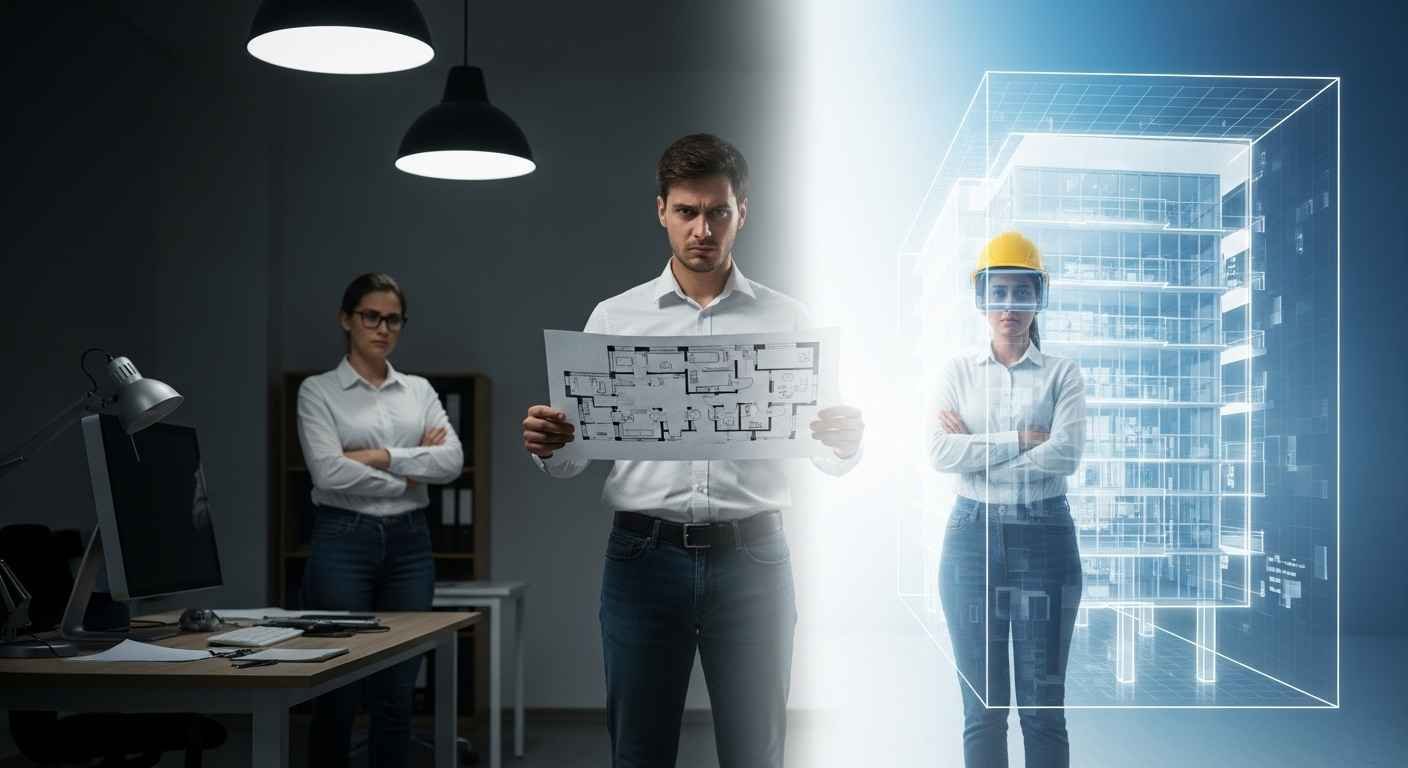
I know how heavy the silence feels when a client stares at a 2D floor plan and simply does not “get it.” You have spent weeks on the design, yet they are stuck on the cost or the placement of a window. It is frustrating to feel like your vision is trapped in a flat drawing while the rest of the world moves into 3D. Many architects worry that adding high-tech tools will be too expensive or eat up all their time. Daniel R Locke Virtual AIA is the answer to that specific stress. It is not just a fancy software update. It is a way to bridge the gap between what you see in your mind and what the client understands.
Why Old Design Methods Are Costing You Money
Most firms today still struggle with slow approval cycles. You send a sketch, wait for feedback, and then fix the same mistakes over and over. This back-and-forth burns through your budget. It also makes you look less professional to high-end clients who expect more. The “truth” that many miss is that technology is no longer an “extra.” It is the core of how you protect your profit margins. Daniel R Locke uses virtual platforms to stop these leaks. By showing a building in a 3D space early on, you catch errors before they reach the construction site. This saves thousands of dollars in reworks and keeps your team from burning out on repetitive tasks.
Using Daniel R Locke Virtual AIA to Bridge the Client Gap
The biggest hurdle in any project is the “Communication Gap.” You speak in terms of “spatial flow” and “structural integrity,” but the client cares about “feeling” and “utility.” Virtual AIA tools change the conversation. Instead of explaining a space, you let the client walk through it. Daniel R Locke highlights how immersive visualization turns a nervous client into an excited partner. When they can see the sunlight hitting the floor at 2:00 PM in June, they stop asking “why” and start saying “yes.” This builds immediate trust. It makes the architect a guide rather than just a service provider.
Eliminate Site Errors with Daniel R Locke Virtual AIA Modeling
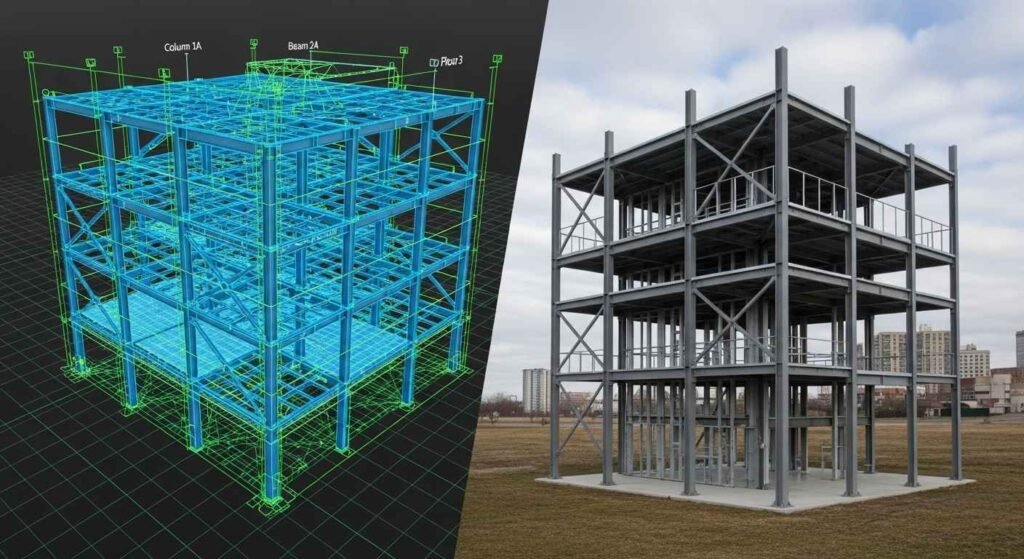
Nothing is scarier for an architect than a structural conflict found during the build phase. A pipe hitting a beam can stall a project for weeks. Virtual AIA platforms act as a digital safety net. They allow you to build the entire project “virtually” first. Daniel R Locke promotes this “build it twice” philosophy. The first time is in the computer, where mistakes cost nothing to fix. The second time is on the site, where everything fits perfectly. This precision is what separates top-tier firms from those that constantly face legal or financial stress.
The Hidden Cost of Design Indecision
Every time a client changes their mind late in the game, it hurts your bottom line. Traditional methods make it hard for clients to commit because they cannot truly visualize the end result. They feel a sense of “buyer’s remorse” before the building even exists. Daniel R Locke uses Virtual AIA to eliminate this doubt. When a client can experience the scale of a room virtually, their decisions become firm. This leads to fewer change orders and a much faster path to the “final sign-off.” You stop being a person who draws and start being a person who delivers certainty.
Solving the Sustainability Puzzle with Logic
Clients today want green buildings, but they often fear the price tag. They worry that “eco-friendly” means “ugly” or “overly expensive.” Virtual AIA changes this narrative by providing hard proof. Daniel R Locke focuses on how digital simulations can test a building’s thermal performance in seconds. You can show a client exactly how much insulation they need to lower their bills. You can prove that moving a window six inches will increase natural light by twenty percent. This makes sustainability a logical choice rather than a risky experiment.
Why Technical Skill Is No Longer a Barrier
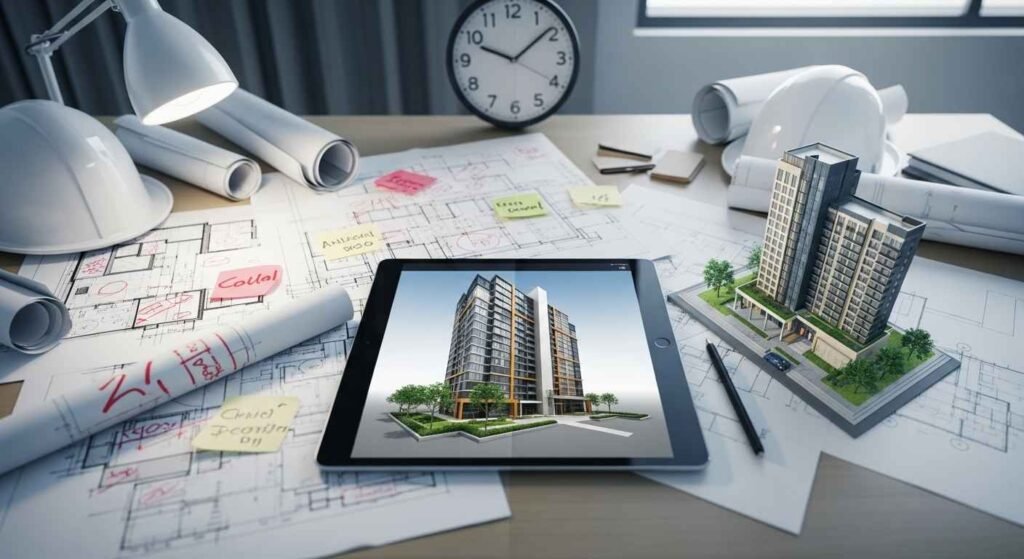
Many architects over fifty feel like the digital world has left them behind. They worry they will have to go back to school just to keep up. The reality is that modern tools are designed to be intuitive. Daniel R Locke emphasizes that Virtual AIA is about your architectural eye, not your coding ability. The software handles the complex geometry so you can focus on the soul of the building. This technology is a tool, like a better pencil or a sharper blade. It is meant to extend your reach, not replace your wisdom.
Enhancing Collaboration Across Global Borders
Architecture used to be a local game. You worked where you lived because you had to see the site and the team. Virtual platforms have shattered these walls. Daniel R Locke demonstrates how architects can lead teams on different continents without losing a step. You can share a virtual model with a structural engineer in Tokyo and a contractor in New York at the same time. Everyone sees the same thing in real-time. This global reach opens up a world of new business opportunities that were once impossible for small firms.
The Role of Augmented Reality on the Job Site
The “Virtual” in Virtual AIA is moving into the real world. Augmented Reality (AR) allows you to overlay your 3D model onto the actual construction site. Daniel R Locke points out that this is where the real magic happens. A contractor can hold up a tablet and see where the wiring is supposed to go behind a wall that is not yet built. This prevents the “guesswork” that leads to accidents and delays. It bridges the gap between the clean digital model and the messy reality of a construction zone.
Protecting Your Intellectual Property Digitally
In the digital age, architects worry about their designs being stolen or copied. How do you share a model without losing control of it? Daniel R Locke addresses this by using secure, cloud-based Virtual AIA platforms. These systems track who views the file and what changes are made. It creates a digital trail that protects your work. This security allows you to collaborate freely with partners while keeping your “secret sauce” safe. Trust is built when everyone knows the rules of the digital space.
Streamlining the Permit and Approval Process
Dealing with city councils and building inspectors is often the most painful part of the job. They are looking for reasons to say “no.” Daniel R Locke shows that presenting a Virtual AIA model can turn a “no” into a “yes.” When an inspector can see exactly how the building meets safety codes in 3D, their job becomes easier. It removes the ambiguity that leads to long delays. You become the architect who is easy to work with because your documentation is clear and undeniable.
Improving the Post-Construction Experience
The job does not end when the keys are handed over. Owners need to know how to maintain the building. Daniel R Locke envisions a future where the Virtual AIA model becomes a “digital twin.” This twin lives on as a manual for the building manager. It shows them where every valve and sensor is located. This adds massive long-term value to your service. You are not just delivering a building; you are delivering a lifetime of operational ease. This is how you earn repeat clients and a stellar reputation.
Tackling the “Fear of the New” in Your Team
If your staff is resistant to change, your firm will stagnate. They might feel that learning new software is a chore. Daniel R Locke suggests that the best way to lead is through the results. Once the team sees how much faster they can finish a project using Virtual AIA, the resistance fades. It turns the workplace into a hub of innovation rather than a factory of boredom. You attract better talent when you offer the best tools. Young architects want to work where the future is happening.
Why the Human Touch Still Matters Most
With all this talk of AI and virtual reality, some fear we are losing the “art” of architecture. Daniel R Locke is very clear on this: the human heart is the center of the design. A computer can tell you where a wall is strongest, but it cannot tell you where a family will feel most at home. Virtual AIA is about giving the architect more time to think about those human moments. By automating the boring parts, you get to be more creative. You get to think about the textures, the sounds, and the memories the building will create.
Mastering the “Digital Handshake” with Stakeholders
Managing a project means managing people. Investors, city planners, and neighbors all have different fears. Daniel R Locke uses Virtual AIA to calm those fears. You can show a neighbor how the new building will affect their view. You can show an investor how the retail space will attract foot traffic. This “visual evidence” is a powerful social tool. it builds community support and stops protests before they start. It turns a controversial project into a community win.
The Evolution of Architectural Education
The way we train new architects is changing forever. Daniel R Locke believes that the “studio” of the future is virtual. Students are learning to think in 3D from day one. This means the next generation will be “digital natives” who expect Virtual AIA to be the standard. If you want to mentor these young professionals, you must speak their language. It keeps your firm relevant and ensures that your legacy continues through the hands of the next generation.
How to Scale Your Firm Without the Stress
Scaling a business usually means more overhead and more headaches. Daniel R Locke argues that Virtual AIA allows you to scale “lean.” You can take on more projects without hiring a huge staff because your workflow is so efficient. You use technology to do the work of ten people. This leads to higher profits and less management stress. You can stay small and nimble while acting like a much larger player in the market.
You May Also Like: Buboss Picks Exposed: The Shocking Truth No One Is Talking About
Final Thoughts on Reclaiming Your Vision
The stress of modern architecture can be overwhelming. The deadlines, the budgets, and the technical demands often feel like they are crushing your spirit. But you did not enter this field to be a machine. You entered it to be a creator. Daniel R Locke Virtual AIA is the key to reclaiming that joy. It is about removing the “friction” between your ideas and the world. When you embrace these tools, you stop fighting the process and start leading it. You become the architect you always wanted to be: visionary, trusted, and free to create.
Frequently Asked Questions
What is the biggest mistake when using Daniel R Locke Virtual AIA?
Many architects treat it like a “rendering tool” only. They use it at the end to make a pretty picture. The real power is using it at the start to solve problems. Daniel R Locke shows that if you wait until the end, you miss the chance to save money and avoid errors. It should be your “thinking space,” not just your “selling space.”
Does Daniel R Locke recommend a specific software?
The focus is on the “workflow” rather than one single brand. Daniel R Locke emphasizes that the best tool is the one that fits your team’s needs. Whether it is Revit, ArchiCAD, or Rhino, the goal is the same: digital accuracy and virtual collaboration. It is about the “mindset” of using data to drive design.
How long does it take to see a return on investment?
Most firms see results within the first two projects. While there is a learning curve, the time saved on revisions and the increase in client approvals pay for the software quickly. Daniel R Locke points out that the “cost of doing nothing” is actually higher because you continue to lose money on old, slow processes.
Can Virtual AIA work for residential renovations?
Yes. In fact, it is perfect for small projects. Homeowners often have the hardest time visualizing changes. Showing them a 3D model of their new kitchen or attic can close a deal in minutes. Daniel R Locke highlights that Virtual AIA is not just for skyscrapers; it is for any space where a person needs to feel comfortable.
Is my data safe in a virtual architectural model?
Security is a top priority for Daniel R Locke. Modern Virtual AIA platforms use high-level encryption to protect your designs. You control who has access to the “digital twin.” It is actually safer than sending PDF files over email, as the model stays in a secure environment where every change is recorded.
Disclaimer
The information provided about Daniel R Locke Virtual AIA is for general educational and informational purposes only. While we strive to provide accurate and up-to-date insights into architectural trends and digital workflows, this content does not constitute professional architectural, legal, or financial advice. Readers should consult with a licensed professional before making significant business or design investments. We assume no liability for actions taken based on this blog.

Emma Rose is a simple, clear, and helpful writer at Blogtime. She enjoys creating easy-to-read articles on tech, lifestyle, travel, and everyday tips. Emma’s goal is to make learning simple for everyone by explaining ideas in friendly and easy words. When she’s not writing, she loves reading, exploring new places, and finding inspiration in everyday life.