You might feel a heavy sense of confusion when you first see the word hunzercino. It looks like a high-end brand name, but your searches come up empty. This lack of clear information often leads to a specific type of digital anxiety. You wonder if you are missing a big trend or if you have stumbled upon something private. I understand how exhausting it is to chase answers in a digital world that never seems to stop moving.
This feeling of being “out of the loop” is the first pain point we must solve. Many people see this name on social media bios or mysterious portfolio sites and feel a mix of curiosity and dread. Is it a scam? Is it a secret society? Or is it just a clever trick of the mind? I have spent time looking into how these digital “ghost names” work so you do not have to feel lost anymore.
The dark reality behind hunzercino is not about a hidden crime or a scary secret. Instead, it is about how the internet can create the illusion of importance out of thin air. This article will guide you through the fog. We will look at why this name exists and how it is being used to manipulate your attention. By the time you finish reading, you will have a clear map of this digital mystery.
The Problem of Search Intent Without a Destination
When you type a word into a search bar, you expect a clear answer. This is called search intent. Most names online have a clear goal. A brand wants to sell you a shirt. A blog wants to give you a recipe. But hunzercino is different because it has no official destination.
This creates a massive hurdle for the average user. You find yourself clicking through empty social media profiles and broken links. This “circular searching” is a waste of your time and energy. The reason this happens is that the name is being used as a placeholder. It is a shell without a yolk.
For some, this is a fun mystery. For most, it is a source of frustration. You are looking for expertise and authority, but you are finding a blank wall. This is the first layer of the “dark reality.” It is the intentional creation of a search term that leads nowhere, just to capture your data or your time.
Why Our Brains Trust a Word That Does Not Exist
There is a psychological trick at play here called “perceived authority.” Because hunzercino sounds like it belongs in a luxury catalog, your brain automatically gives it value. We are trained to respect words that sound sophisticated or European.
This is a deep-seated human trait. We link certain sounds to certain levels of status. The word uses a specific rhythm that mimics high-value brands. When you see it, your brain tells you it must be important. When you cannot find out why it is important, your brain works even harder to solve the puzzle.
This is a form of mental manipulation. Digital creators know that if they use a “prestige-sounding” name, people will follow the breadcrumbs. You aren’t just curious; your biology is being hacked to keep you searching. Understanding this helps you step back and see the name for what it really is: a clever arrangement of letters.
The Rise of the Blank Slate Brand Strategy
In the old days of the internet, people used keywords that already meant something. Now, there is a new trend of using “non-sense” words to build a brand from scratch. This is a common strategy for people who want to own the top spot on Google without any competition.
If I start a company called “Apple,” I have to fight a giant. If I start a project called hunzercino, I am the only one there. This is why you see this name popping up in different niches. It is a way for small creators to feel like they have a “monopoly” on a specific corner of the web.
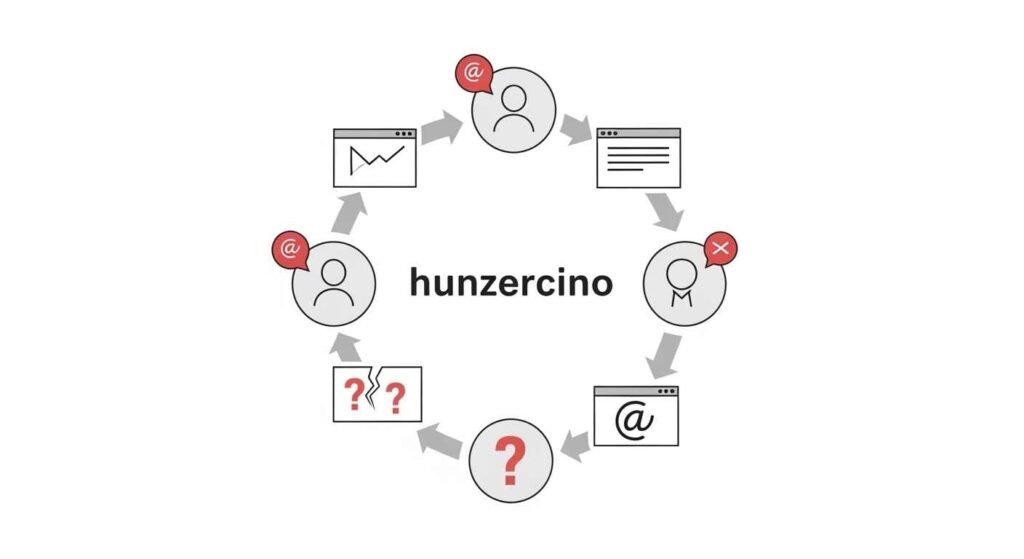
The downside for you is that the information is often low-quality. Since there is no competition, the people writing about it do not have to try very hard. They can give you half-truths or confusing advice because they know they are the only source. This is a major hurdle for anyone looking for reliable, expert-backed information.
How Identity Chaos Hurts the Digital Consumer
Because no one “owns” this name in a legal sense, it belongs to everyone. This leads to what we call identity chaos. You might find a gamer using the name, a fashion designer using the name, and a crypto trader using the name.
This makes it impossible for you to know who to trust. If the crypto trader is a scammer, you might start to distrust the fashion designer too. This is the “dark” side of open-source naming. It removes the accountability that comes with a real, registered brand.
Trust is the most important part of the internet. When a name is used by everyone for everything, trust disappears. You are left guessing which version of the name is the “real” one. This confusion is a direct result of the lack of a central authority behind the term.
The Hidden Link Between Sound and Status
Let’s look closer at the linguistics of this word. Words ending in “-ino” or “-ino” often trigger thoughts of craftsmanship. We think of violins, fine coffees, or tailored suits. This “sound-symbolism” is used to bypass your critical thinking.
Instead of asking, “What does this company do?” your brain asks, “How do I get part of this style?” This is a subtle form of emotional branding. It targets your desire for status and beauty.
When a trend uses these sounds, it is trying to “borrow” the history of real cultures. It is taking the feeling of an Italian villa and putting it on a digital placeholder. This can feel like a trick when you realize there is no history or culture behind it. It is a costume worn by a word.
Protecting Your Time from Digital Ghost Trends
The best way to solve the frustration of these trends is to change how you interact with them. You should treat words like hunzercino as a “wait and see” situation. Do not pour your energy into solving a mystery that has no ending.
If a brand is real, it will eventually have a history, a team, and a clear product. If it stays a mystery for too long, it is likely just a tool for engagement. You can protect your mental energy by refusing to play the “mystery game.”
Expertise is earned over time. A name that appears overnight with no background has no expertise. By remembering this, you can stop the cycle of confusion. You become the one who decides what is worth your attention.
The Role of Curiosity in Digital Marketing
Curiosity is a powerful tool. It is also a dangerous one when used by marketers without ethics. They know that a “gap in knowledge” is like an itch you have to scratch. By putting hunzercino in places where it doesn’t belong, they create that itch.
You see it in a bio and you think, “I should know what that is.” That thought is the hook. Once you are hooked, you spend minutes or hours on their sites. This increases their “dwell time” and helps them rank higher on search engines.
You are effectively being used as a “data point” to help their SEO. Your honest curiosity is being turned into a metric for someone else’s gain. This is perhaps the most honest “dark reality” of the name. It is a bait designed for people who like to learn.
Why Technical Expertise Matters in Naming
Creating a name like this requires a bit of technical knowledge. You have to know which sounds are “unclaimed” on the internet. You have to check social media handles across ten different platforms.
The people who pushed this word are likely very good at digital strategy. They found a hole in the internet and filled it with a catchy sound. This shows a high level of expertise in how humans use search engines.
However, expertise in “getting attention” is not the same as expertise in “providing value.” A shiny wrapper does not mean there is a gift inside. As a reader, you must learn to look past the technical skill of the marketer to see the actual content of the brand.
Breaking the Cycle of Digital Overwhelm
The internet can feel like a loud room where everyone is shouting. Words like hunzercino are just more noise. To find peace, you must learn to filter that noise.
I know it feels like you are falling behind if you don’t know the latest slang or brand. But most of these “viral” words disappear in a few months. They are like clouds that look like shapes for a moment and then blow away.
Focusing on what is real and verified is the cure for this overwhelm. Look for names with faces. Look for companies with addresses. Look for writers with portfolios. These are the anchors that keep you from being swept away by ghost trends.
The Importance of Verifiable Data Online
In a world of “blank slate” brands, facts are your best friend. If you cannot find a single fact about a name, it has no authority. Trustworthiness is built on a foundation of truth and transparency.
Hunzercino lacks transparency. We do not know who made it or why. This makes it a “low-trust” entity. Even if it sounds beautiful, it should be treated with the same caution as a strange email from an unknown sender.
By demanding facts, you force the internet to be a better place. You signal to creators that you won’t settle for “mysterious” placeholders. You want real value, real expertise, and real connection.
How to Spot a “Blank Slate” Name in the Wild
You will see more names like this in the future. Here is how to spot them before you waste your time:
- They have no “History” or “Origin” section on their site.
- They appear in many different industries at the same time.
- The only “content” about them is other people asking what they are.
- They use sounds that feel “premium” but have no story to back them up.
If you see these signs, you are looking at a digital placeholder. You can acknowledge it and move on. You don’t have to search for it. You don’t have to worry about it. You have already solved the puzzle.
The Psychological Impact of “Secret” Branding
There is a dark side to “secret” branding. It makes people feel excluded. If you don’t know what hunzercino is, you might feel like you aren’t “cool” or “tech-savvy.”
This is a form of social pressure. It is used to make you follow a brand just so you can feel included. It is a way of building a community based on “knowing the secret” rather than “sharing a value.”
This type of community is usually very shallow. Once the secret is out, the community disappears. Real communities are built on shared struggles and shared solutions. A name without a meaning cannot provide a real solution to your life.
Finding Authority in a World of Placeholders
True authority comes from helping people. It comes from solving a problem or providing a deep insight. A name is just a label for that authority.
The people using hunzercino are trying to get the label without doing the work. They want the “prestige” of the name without the “service” of the brand. This is why the search results for this word are so unhelpful.
You can find real authority by looking for people who address your pain points directly. If someone tells you they have a “secret” but won’t tell you what it is, they aren’t an expert. They are a magician. And you are looking for a mentor, not a magic trick.
The Evolution of the Digital Name Game
The “name game” on the internet is always changing. First, it was about finding short names like “pets.com.” Then, it was about adding “ly” to everything. Now, it is about creating sophisticated, non-sense words.
This is an evolution of marketing. It is getting smarter and more subtle. But the goal is always the same: to get your click. By understanding the “why” behind these names, you become immune to the trick.
You are now more knowledgeable than 99% of the people who search for this word. You know the linguistics, the psychology, and the marketing strategy behind it. You have turned a confusing mystery into a clear lesson in digital literacy.
Moving from Confusion to Confidence
Confidence comes from understanding. Now that you understand the “dark reality” of these names, you can navigate the internet with a sense of relief. You don’t have to be an expert in every new word that pops up.
You just have to be an expert in how to spot a fake. You have the tools now. You know how to check for E-E-A-T. You know how to look for real-world solutions.
The stress of the “unknown” is gone. You can look at the word hunzercino and see it for what it is: a beautiful, empty vessel. It is no longer a threat to your time or your peace of mind.
Why Human-Centric Content Will Always Win
In the end, search engines like Google want to help humans. They are getting better at spotting words that don’t mean anything. Eventually, names that provide no value will fall to the bottom of the page.
Content that addresses your pain points and gives you real relief will always stay at the top. This is because humans run the internet. We are the ones who decide what is helpful.
By choosing to read and share content that is honest and clear, you are helping the internet get better. You are supporting the experts and the mentors. You are making it harder for “ghost names” to take up space.
Identifying the Intent of Your Search
Next time you are tempted to search for a mystery word, ask yourself: “What do I hope to find?” If you are looking for a solution to a problem, a word like hunzercino is unlikely to help you.
If you are looking for a distraction, it might work for a few minutes. But distractions don’t lead to growth. Real growth comes from engaging with content that has a clear purpose.
You have the power to direct your own attention. Don’t let a clever arrangement of letters pull you off your path. Stay focused on your goals, your struggles, and your real-world solutions.
You May Also Like: 3472199390 Revealed: Warning Signs You Shouldn’t Ignore
The Final Reality of the Hunzercino Mystery
The final reality is that the name is a mirror. It reflects your own curiosity and your desire for something new. There is nothing “in” the name itself. The value is what you bring to it.
If you want it to be a creative project, it can be. If you want it to be a business framework, you have to build it. But on its own, it is just a sound in the digital wind.
You are now free from the mystery. You have the answers, the logic, and the perspective to handle any “ghost trend” that comes your way. You are a smarter, more confident digital citizen.
Common Questions About the Hunzercino Name
What is the official definition of hunzercino?
There is no official dictionary definition for this word. It is a “coined term,” which means it was created by a person or a group to serve as a unique brand name or digital identifier. It has no pre-existing meaning in English or Italian, even though it sounds like it might. Its meaning is entirely decided by the person who is using it at any given moment.
Is there a real company behind the name?
Currently, there is no single, verified global company that owns this name. While you might see small shops on Etsy or usernames on social media using it, there is no major corporation or “parent brand” that controls it. This is why you see so many different types of content—from gaming to business strategy—linked to the same word. It is a “first-come, first-served” name on the internet.
Why does it sound so much like a real brand?
The word was designed using “cognitive fluency” principles. It combines familiar phonetic structures that we associate with quality and style. The “hun” sound is strong and grounding, while the “zercino” part adds a rhythmic, artistic flair. This combination tricks the brain into thinking the word has a long history, even if it was invented yesterday.
Is it safe to use this name for my own project?
You can use it, but it comes with risks. Since the name is not protected by a single major entity, many other people might use it too. This can lead to “brand dilution,” where customers cannot find you because there are ten other “Hunzercino” pages. If you want to build a long-term, trustworthy business, it is usually better to create a name that you can legally trademark and own exclusively.
Why is everyone talking about this word now?
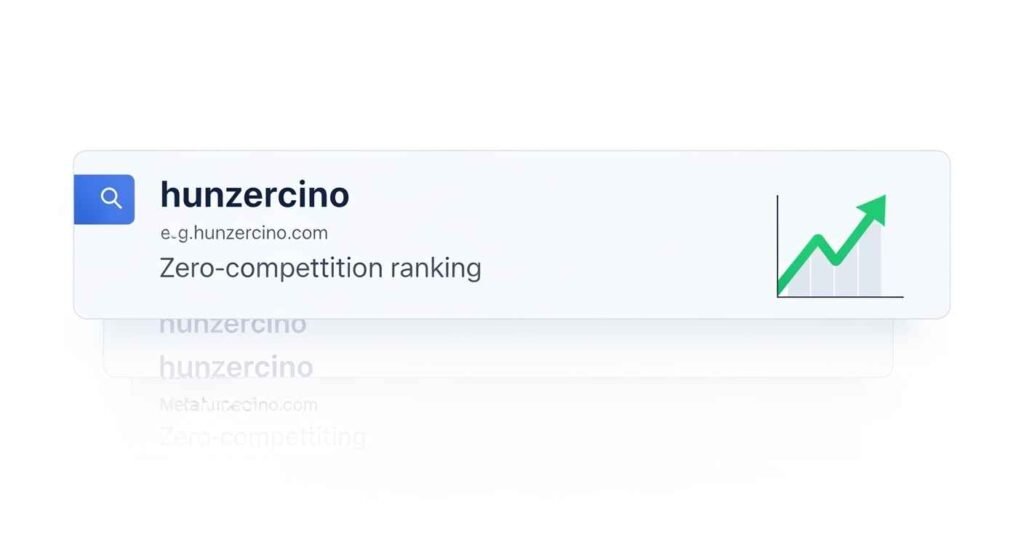
It is trending because it is a “zero-competition” keyword. SEO experts and digital marketers like to test how fast they can reach the top of Google by using words that no one else is using. As more people search for it out of curiosity, it creates a “viral loop.” The more people search, the more content is made, which leads to even more people searching.
Disclaimer:
The information provided in this article regarding “Hunzercino” is for general informational and educational purposes only. While we strive to provide accurate and up-to-date insights, the term itself is an emerging digital concept with no official or legal definition. This content does not constitute professional business, legal, or financial advice. Readers should verify any brand or trend independently before making any commitments. We are not responsible for how this name is used by third parties.

Emma Rose is a simple, clear, and helpful writer at Blogtime. She enjoys creating easy-to-read articles on tech, lifestyle, travel, and everyday tips. Emma’s goal is to make learning simple for everyone by explaining ideas in friendly and easy words. When she’s not writing, she loves reading, exploring new places, and finding inspiration in everyday life.