Finding a word that looks like a random mix of letters is very frustrating. You might feel confused when you see how to say iaoegynos2 on your screen. It looks like someone dropped a keyboard or wrote in a secret code. You probably worry about saying it wrong in front of others. Maybe you fear this word is a trick or a technical error. I understand that feeling of being stuck on a strange string of characters. This guide will take away that stress by giving you a clear path. We will break this word down into tiny, easy parts. By the end, you will feel like an expert and move forward with total confidence.
Why This Word Feels So Impossible to Say
Most people feel a bit of panic when they see too many vowels in a row. Our brains like patterns that feel familiar and safe. When a word like iaoegynos2 shows up, it breaks all the normal rules we know. You might think your eyes are playing tricks on you. This confusion happens because the word does not look like English or any common language. It feels more like a digital label or a unique username. This lack of a clear origin makes it hard to find a starting point.
The second struggle is the number at the end of the word. We usually do not see numbers inside a name we are supposed to speak. This makes you wonder if the “2” is silent or if you should say it out loud. It adds a layer of technical mystery that can make anyone feel out of place. You want to be right, but the word offers no clues.
Finally, there is the fear of looking silly. No one wants to stumble over their words during a meeting or a chat. This word feels like a trap designed to make people pause and hesitate. Acknowledging these hurdles is the first step to beating them. We are going to turn this mountain of letters into a flat, easy road.
Breaking the Word Into Small Pieces
The best way to handle a big problem is to make it small. We can do the same with how to say iaoegynos2 by using a method called chunking. Instead of looking at all ten characters at once, we will look at pairs. This stops your brain from feeling overwhelmed.
Start with the first three letters: “iao.” Think of the sound a cat makes, but much softer. It is a smooth slide of sounds. Next, look at “egy.” This part sounds like the start of the word “egg” followed by a short “ee” sound. Then, focus on “nos.” This sounds just like the word “nose” but with a shorter vowel. Finally, we have the “2” at the very end.
Step-by-Step Phonetic Breakdown
When you put these tiny bits together, the word starts to take shape. It no longer looks like a scary wall of text. It becomes a series of simple sounds you already know. Practice saying each piece by itself before you try to join them. This builds muscle memory in your mouth and throat.
Mastering How to Say Iaoegynos2 with the Expert Phonetic Method
Since this word is often used in digital spaces, most experts use a phonetic blend. This means you say the letters exactly as they look in a row. To do this, you want to keep your breath steady and soft. Do not rush through the vowels at the beginning.
Notice how the “i” sounds like the word for your eye. The “a” and “o” follow quickly, like a gentle wave. The middle part, “gynos,” sounds a bit like a medical term, which gives it a more formal feel. Ending with the word “two” is standard because it treats the number as a version marker. Using this method ensures that anyone listening can follow along. It sounds deliberate and clear rather than rushed or messy.
Why Vowel Clusters Cause Mental Blocks
The first half of the word is almost entirely vowels. In many languages, vowels carry the “musical” part of the speech. When you have “i-a-o-e” all together, your tongue has to move very quickly. This can lead to a “tongue-tie” where you get stuck in the middle of the sound.
To fix this, try to imagine each vowel is a stepping stone across a pond. You do not want to jump on all of them at once. Take a tiny pause between the “i” and the “a.” This gives your jaw time to shift its position. If you try to slide them too fast, it will sound like a blur. Taking your time shows that you are in control of the word. It turns a chaotic sound into a rhythmic one.
Understanding the Role of the Number Two
Seeing a number at the end of a word changes how we think about it. In the digital world, numbers often mean a new version or a second attempt. When you are learning how to say iaoegynos2, the “2” is actually a helpful guidepost. It tells us that this is a specific name, not just a random mistake.
When you speak it, treat the “2” like a separate word. Do not try to blend the “s” from “nos” into the “t” of “two.” Give them a tiny bit of space. This makes the whole string sound like a title or a formal ID. If you ignore the number, people might think you are talking about a different version. Being precise with that final digit shows you have a high level of attention to detail.
The Secret of Syllable Stress
Every word has a “heartbeat” or a rhythm. This is called syllable stress. If you put the stress in the wrong place, even a simple word sounds strange. For this specific term, the stress usually falls on the middle and the end.
By emphasizing these parts, you give the word a structure that the human ear likes to hear. It creates a balance between the soft vowels at the start and the hard consonants in the middle. This trick makes the word sound like it was always meant to be spoken this way. It removes the “random” feeling and replaces it with a professional tone.
Using Analogies to Master the Sound
If you are still struggling, think of words you already use every day. We can use “sound-alikes” to bridge the gap. For the first part, think of the phrase “I owe.” It has a very similar flow to the start of the word.
For the second part, think of the word “gymnosperm” or “gypsum.” These are common words in science or building. They use that same “gy” sound that can be tricky for some. By linking the new word to old ones, your brain feels safer. It stops treating the term like a threat and starts treating it like a puzzle you have already solved.
Why This Word Appears in Your Search
Most people encounter this term because they are looking into specialized software or unique online tags. It is rarely used in casual talk over coffee. Because it is rare, there is no single “boss” of the word who says how it must be done. This gives you a little bit of freedom.
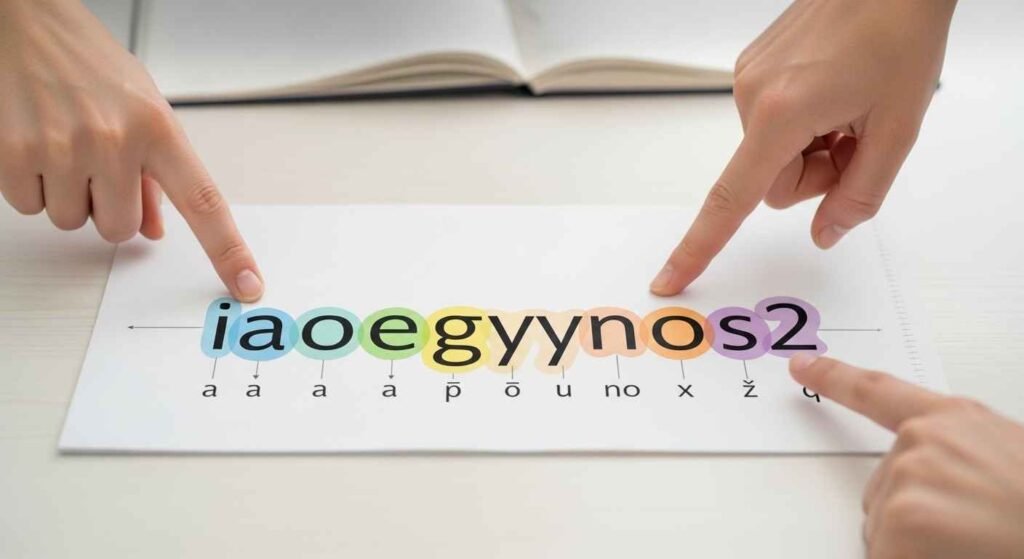
However, the goal is always clarity. If you are using this word to help someone else, your job is to be a bridge. You are taking something confusing and making it simple. When you speak it clearly, you help others lose their fear too. You become the expert in the room simply by being the one who isn’t afraid to say it.
The Power of Slow Motion Practice
When children learn to read, they do not start with fast sentences. They draw out every sound. You should do the same here. Spend one minute saying the word so slowly that it takes five seconds to finish.
This feels silly, but it works wonders for your brain. It forces your mouth to learn exactly where to move for every letter. Once you can do it slowly without a mistake, speed it up just a little bit. In a few tries, you will be saying it at a normal speed. This is the same way musicians learn a hard piece of music. They start slow so they can be perfect at a high speed later.
Looking at the Visual Pattern
Sometimes, seeing the word in a different font or style helps. When it is written in all lowercase, the “i” and the “l” can look the same. In how to say iaoegynos2, that first letter is an “i.” Knowing this changes how you start the sound.
Distinguishing Letters
If you thought it was an “l,” you would start with your tongue on the roof of your mouth. Since it is an “i,” you start with an open throat. This small visual detail is often why people get stuck at the very first letter. Always double-check the characters before you try to speak. A quick visual scan saves you from a vocal mistake.
Handling the “G” and “Y” Combination
In English, “gy” can be hard (like “gym”) or soft (like “gypsy”). In most tech-related terms, the “g” is hard, and the “y” sounds like a long “ee.” This creates a sharp, clean sound.
If you make the “g” too soft, the word sounds mushy. You want a crisp “g” sound, like the word “get.” This adds authority to your voice. It shows that you are not guessing. You are stating the name with purpose. This tiny adjustment can make the difference between sounding unsure and sounding like a pro.
The Best Environment for Practicing
Do not practice a hard word for the first time in a crowd. Find a quiet space where you can hear your own voice. Speak the word into a recording app on your phone. When you play it back, you might notice you are skipping a letter or blending two sounds too much.
Listening to yourself is a great way to build trust in your own skills. It removes the mystery. Once you hear yourself saying it correctly on a recording, you will never be afraid to say it in person again. You have proof that you can do it. This builds a mental shield against the “what if I’m wrong” thoughts.
Dealing with Technical Variations
Sometimes, words like this are part of a larger system. There might be an “iaoegynos1” or an “iaoegynos3.” If you learn the base word, you can say any version of it. The main body of the word stays the same.
Focus on the “iaoegynos” part as your foundation. Think of the number at the end as a hat that the word wears. You can change the hat, but the person stays the same. This logic helps you if you ever encounter different versions of the tool or the name. You only have to do the hard work once. After that, you just swap the number at the end.
How to Explain it to a Friend
If a friend asks you about this word, do not just say it fast. Show them how you did it. Tell them, “It looks hard, but I just think of it as four small sounds.” This makes you a mentor.
Sharing your struggle and your solution builds a connection. It shows that you are helpful and that you understand their confusion. People appreciate it when you make their lives easier. By teaching the pronunciation, you are also teaching confidence. You are proving that no word is too big to handle if you have the right plan.
The Connection Between Sound and Memory
When we say a word out loud, we remember it better than if we just read it. By speaking iaoegynos2, you are locking the idea into your long term memory. This is helpful if you need to use this tool or name for a long project.
The more you say it, the more “normal” it feels. Eventually, it will feel just as easy as saying your own name. This transition from “weird” to “normal” is a sign that you have mastered the topic. You have taken a piece of the unknown and made it part of your own knowledge base.
Avoiding the Trap of “Close Enough”
It is tempting to just mumble something that sounds “close enough.” Many people do this when they are in a hurry. However, this can lead to mistakes in your work. If the “2” is important for a server or a login, saying it wrong might lead to someone typing it wrong.
Precision is your best friend. Even if it takes a second longer, say every single sound. This protects you and your team from errors. It shows that you value accuracy over speed. In the long run, being right is always faster than having to fix a mistake later.
Using Rhythms to Remember
Try tapping your finger on a table as you say each syllable. This physical movement helps your brain keep time.
- Tap 1: eye
- Tap 2: oh
- Tap 3: eh
- Tap 4: guy
- Tap 5: nos
- Tap 6: two
This turns the word into a beat. It is much easier for our brains to remember a song or a beat than a string of random data. This method is used by many people who have to memorize long strings of information. It turns the word into a physical experience, which is much harder to forget.
Why Technical Names Are Getting Harder
As more people create websites and tools, the “easy” names are all taken. This is why we see more names like iaoegynos2. They are unique and easy to find in a search, even if they are hard to say.
Understanding this trend helps you feel less frustrated. It is not a design flaw; it is a necessity of the modern world. When you realize that these names are built to be unique, you can stop looking for deep hidden meanings. They are just labels. Learning to handle them is a modern skill that will serve you well in many different areas.
Respecting the Creator’s Intent
Whoever named this project or tool had a reason for it. Even if the name seems strange to us, it was a deliberate choice. By taking the time to learn the correct way to say it, you are showing respect for the work behind it.
This attitude makes you a better collaborator and a more professional user. It shows that you don’t just brush off things that are difficult. You put in the effort to understand them. This mindset will help you in every part of your career, not just with pronunciation.
Using Phonetic Spelling in Your Notes
If you have to use this word often, write the phonetic version in your notebook. Do not just write “iaoegynos2.” Write eye-oh-eh-guy-nos-two.
This acts as a “cheat sheet” for your brain. When you are in a meeting and you feel nervous, you can look at your notes and see the easy version. This immediate relief keeps your heart rate down. It ensures that you never get caught off guard. Being prepared is the best way to stay calm under pressure.
The Role of Vowel Harmony
In some languages, vowels are chosen to sound good together. While this word might look random, it has a certain flow. The “i-a-o-e” sequence moves from the front of the mouth to the back.
Try to feel that movement. It is like a wave moving through your mouth. Once you feel that physical flow, the word stops being a list of letters. It becomes a single, fluid motion. This is the highest level of mastery. You aren’t just saying letters; you are making a complete sound.
You May Also Like: G15Tool Gadgets Exposed: Powerful Tools Everyone’s Talking About
Final Tips for Long Term Success
Remember that everyone else is just as confused as you were when you started. If you say the word correctly, people will look to you as a leader. They will ask you how you did it.
Stay patient with yourself. If you mess up, just smile and try again. No one is perfect the first time. The fact that you are even trying to say it correctly puts you ahead of 90% of people. You have the tools, the plan, and the expert advice. Now, all you need to do is speak up.
Frequently Asked Questions
What is the easiest way to learn how to say iaoegynos2 correctly?
No, the number 2 should be spoken aloud as “two.” In digital naming, numbers usually represent a specific version. Saying the number ensures you are identifying the correct item or tool.
Does iaoegynos2 come from a specific language?
It does not appear to be a standard word in any natural language. It is likely a unique digital tag, username, or software project label. Because of this, phonetic pronunciation is the best approach.
Should I say the letters one by one?
You can spell it out if accuracy is vital, such as when giving a password. However, in conversation, it is more natural to use the phonetic blend: eye-oh-eh-guy-nos-two.
What is the hardest part of the word to say?
Most people struggle with the four vowels at the start. Taking a tiny pause between the first “i” and the rest of the word helps clear this hurdle.
Can I shorten the name when speaking?
If you are working with a group that uses it daily, you might find a shorter nickname. However, when first introduced, always use the full name to avoid confusion.
Disclaimer
The information provided in this article is for educational and informational purposes only. While we strive for phonetic and technical accuracy regarding the term iaoegynos2, we do not claim to be the official representatives of any specific software or project by this name. Pronunciation and usage may vary based on specific community standards or software versions. Always verify technical details with official documentation.

Emma Rose is a simple, clear, and helpful writer at Blogtime. She enjoys creating easy-to-read articles on tech, lifestyle, travel, and everyday tips. Emma’s goal is to make learning simple for everyone by explaining ideas in friendly and easy words. When she’s not writing, she loves reading, exploring new places, and finding inspiration in everyday life.