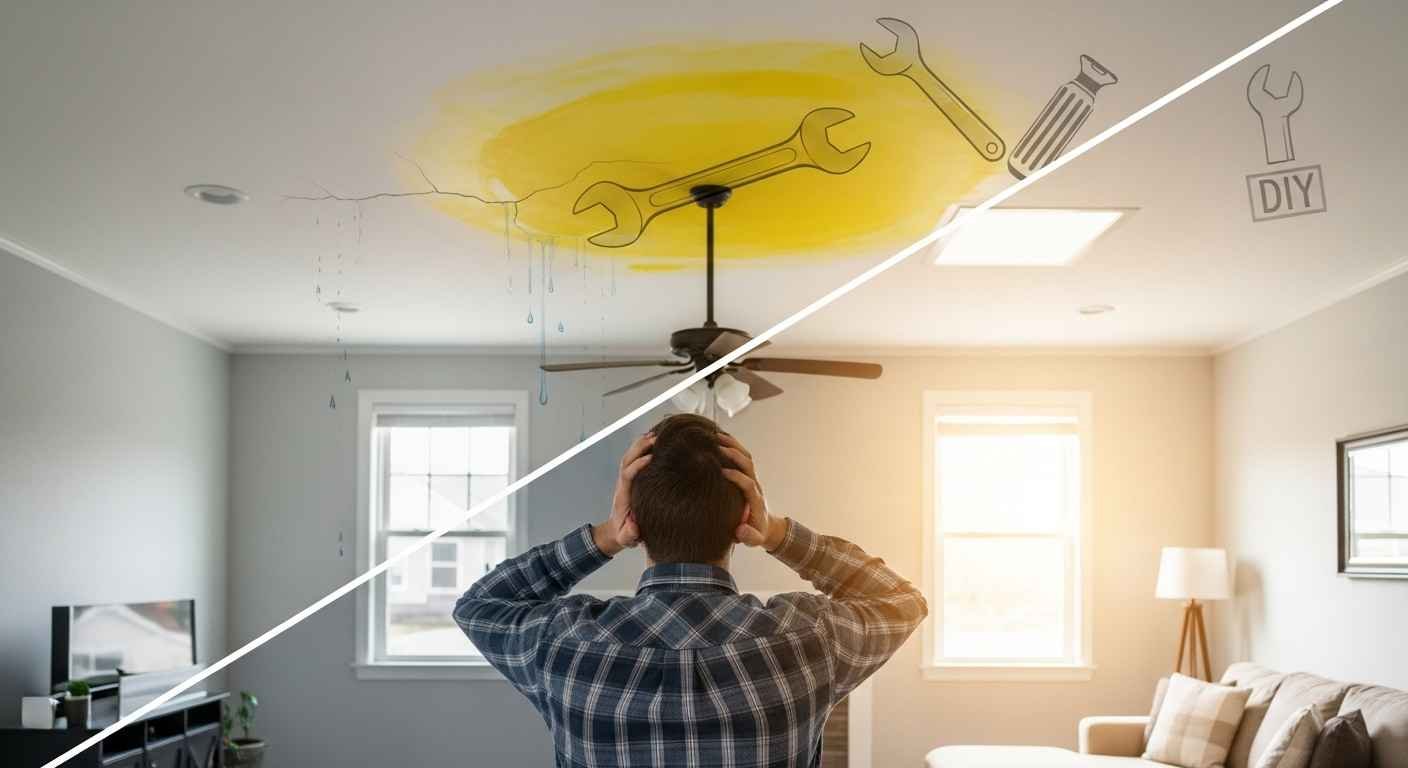
Owning a home is a dream, but it can quickly feel like a heavy weight. You might stare at a small water stain on your ceiling and feel a knot in your stomach. Is it a simple fix, or will it cost thousands of dollars? Many homeowners face this exact fear every single day. The stress of not knowing how to handle a leaky pipe or a flickering light is real. It can make your beautiful house feel like a source of constant worry instead of a place of peace.
You are not alone in feeling overwhelmed by the endless list of chores. Many people worry they lack the “handy” genes needed to keep a house running. You might be in a hurry to stop a drip before it ruins your floors. Or perhaps you are confused by technical terms that seem like a different language. This guide is here to provide the relief you need. We will turn that confusion into clarity with simple, proven steps.
The Wutawhelp home guides are built to take the mystery out of home care. We focus on the big struggles, like saving money on repairs and keeping your family safe. Think of this as your personal roadmap to a stress-free home. By the end of this page, you will feel more confident and in control. Let’s start turning those “what if” fears into “I can do this” wins.
Smart Fixes for the Most Common Home Headaches
Most home problems start small. A tiny drip under the sink might seem minor today. However, ignoring it can lead to mold and rot. The secret to being a great homeowner is catching these issues early. You don’t need a belt full of expensive tools to make a big difference. Often, the best solution is just a bit of knowledge and a few minutes of your time.
One big frustration for homeowners is the high cost of calling a pro for every little thing. You can save hundreds of dollars by learning a few basic skills. For example, a clogged drain is often just a build-up of hair or soap. Instead of using harsh chemicals, a simple plastic drain snake can clear it in seconds. These small wins build your confidence and keep your bank account full.
Stopping Leaks Before They Cause Damage
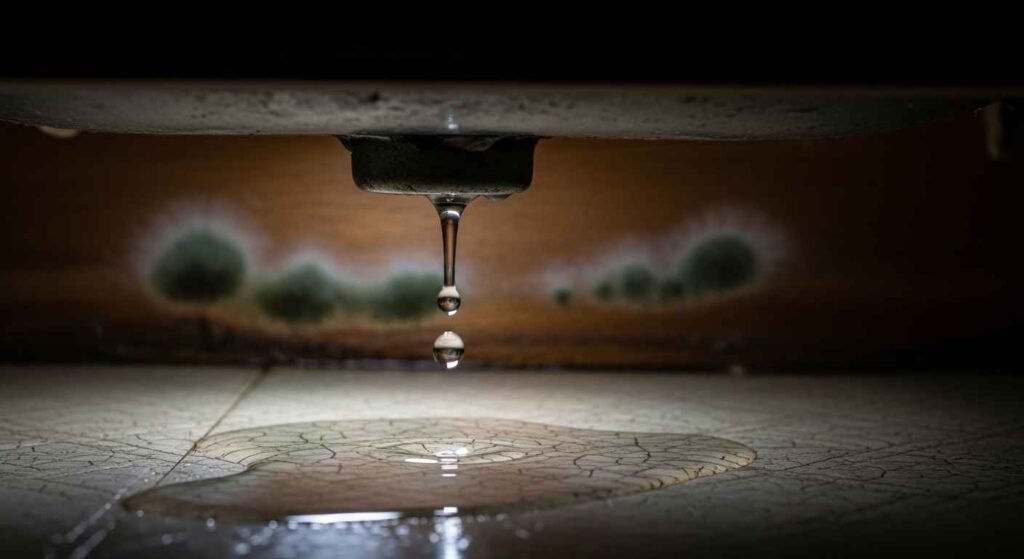
Water is the number one enemy of any house. It can hide behind walls and eat away at your wood frame. If you see a wet spot, you must act fast. Check the area directly above the leak first. Sometimes, the fix is as simple as tightening a loose nut on a pipe. Other times, you might need to replace a worn-out rubber washer.
If the leak is coming from a faucet, it is usually a sign of a bad seal. You can find replacement kits at any local store for just a few dollars. Taking the faucet apart might look scary, but most only have a few parts. Lay them out in the order you remove them. This makes putting it back together very easy. By fixing it yourself, you avoid a large plumbing bill.
Dealing with Slow Drains Without Chemicals
Many people reach for a bottle of liquid cleaner when a sink slows down. These can actually hurt your pipes over time. A better way is to use a mix of baking soda and vinegar. This natural fizz breaks up grease and grime safely. Pour half a cup of baking soda down, followed by half a cup of vinegar. Wait ten minutes and then flush it with hot water.
For bathroom sinks, hair is usually the culprit. A “zip tool” is a long piece of plastic with barbs on the sides. You slide it down the drain and pull it back up. It catches the hair and pulls it out instantly. It is a bit messy, but it works every time. Keeping your drains clear prevents bigger backups that could flood your bathroom.
Simple Ways to Lower Your Monthly Bills
Rising energy costs are a major pain point for everyone right now. You might feel like you are throwing money out the window every time the heater kicks on. The truth is, many homes lose a lot of air through tiny gaps. These gaps are often found around doors and windows. Sealing them is one of the fastest ways to lower your utility bills.
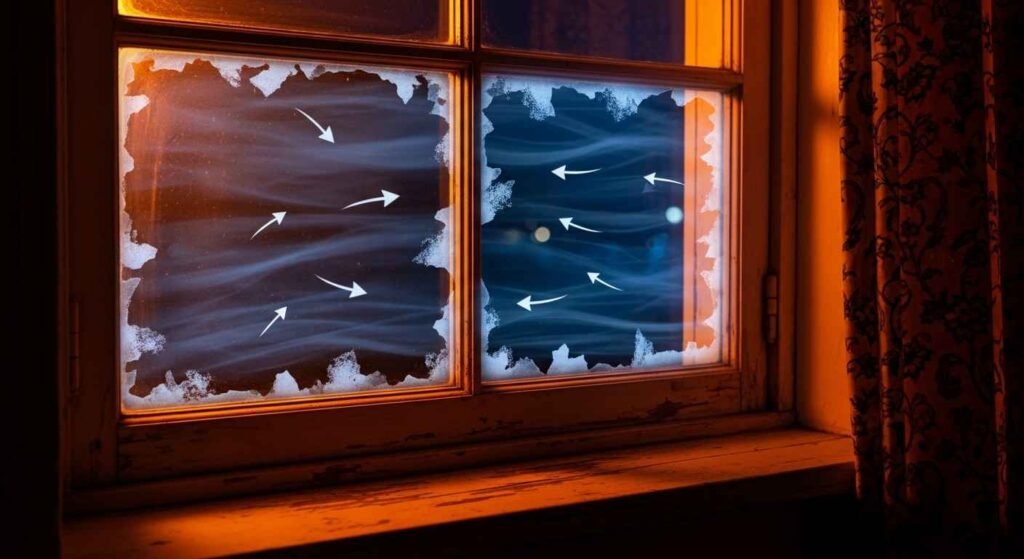
You don’t need to be an expert to find these leaks. On a windy day, hold a lit stick of incense near the edges of your windows. If the smoke blows sideways, you have found a gap. This is where your expensive warm air is escaping. Fixing these spots is cheap and makes your home feel much more comfortable.
Sealing Gaps Around Windows and Doors
Old caulk can crack and pull away from the wall. This leaves a path for cold air to get inside. Use a small scraper to remove the old, dry caulk. Apply a fresh bead of silicone caulk along the seam. This creates a flexible seal that stops drafts. It is a simple job that can lower your heating bill by a noticeable amount.
For the bottom of your doors, use a door sweep. This is a strip of rubber or felt that attaches to the door. It blocks the air that crawls under the gap at the floor. If you are in a rental and can’t change the door, a “draft stopper” works too. This is just a long fabric tube filled with sand or beans. You place it against the door to keep the cold out.
Managing Your Water Heater for Savings
Your water heater is often the second-largest energy user in your home. Most are set to 140 degrees by default. This is actually hotter than most people ever need. Turning it down to 120 degrees can save you money every month. It also prevents accidental burns, which is great for homes with kids.
Another smart tip is to flush your water heater once a year. Over time, sand and minerals settle at the bottom of the tank. This “sediment” makes the heater work much harder to warm the water. To flush it, attach a garden hose to the valve at the bottom. Drain a few gallons into a bucket until the water runs clear. This simple task can help your heater last many more years.
Keeping Your Home Safe and Healthy Wutawhelp home Guides
A house should be a safe haven, but hidden risks can linger if we aren’t careful. Things like smoke detectors and air filters are easy to forget. However, they are the most important parts of home care. When you stay on top of these, you protect your family’s health. You also gain peace of mind, knowing your systems are working correctly.
Bad air quality is a common struggle that leads to allergies and sneezing. If your home feels dusty even after cleaning, your HVAC filter might be full. These filters trap dust, pet hair, and pollen. When they get clogged, they stop working. They also make your furnace work harder, which can lead to a costly breakdown.
Testing Your Safety Devices Regularly
Smoke and carbon monoxide detectors save lives, but only if they have power. You should test these every single month. Just press the “test” button and wait for the loud beep. If it doesn’t make a sound, change the battery immediately. A good rule is to change all safety batteries when the clocks change for daylight savings.
Check your fire extinguisher as well. Look at the little needle on the pressure gauge. It should always be in the green zone. If it is in the red, the extinguisher needs to be replaced or refilled. Make sure it is easy to reach in the kitchen. You don’t want to be hunting for it during an actual emergency.
Improving Your Indoor Air Quality
Changing your air filter is the easiest way to breathe better. Most filters need to be swapped every three months. If you have pets, you might need to do it every month. Look for a filter with a “MERV” rating of at least 8. This will catch the tiny particles that cause irritation.
Don’t forget to clean your bathroom fans. These fans pull moisture out of the air to prevent mold. Over time, the grilles get covered in thick dust. This stops them from moving air. You can usually pull the cover down and vacuum it with a brush tool. Keeping the air moving prevents that musty smell and keeps your walls dry.
Caring for Your Home Through the Seasons
The weather changes, and so do the needs of your house. Winter brings ice and cold, while summer brings heat and rain. If you wait until a storm hits to check your roof, it is often too late. A seasonal plan helps you stay ahead of the weather. It breaks the big job of home care into smaller, manageable pieces.
One of the biggest fears for homeowners is a flooded basement. This often happens because gutters are full of leaves. When the rain can’t flow through the gutters, it pours over the side. This water then pools right next to your foundation. Over time, it finds its way inside. Keeping your gutters clear is the best way to keep your basement dry.
Getting Ready for the Cold Months
Before the first freeze, you must unhook your garden hoses. If water stays in the hose, it can freeze and travel back into your pipes. This can cause a pipe to burst inside your wall. Once the hose is off, turn off the water to your outside spigots. Open the tap to let any trapped water drain out.
You should also check your attic insulation. If you can see the wooden beams in your attic floor, you might need more. Adding a new layer of insulation is a great weekend project. It keeps your heat inside the living areas where it belongs. This makes the whole house feel warmer and saves a lot of money on fuel.
Preparing for Spring and Summer
When the snow melts, it is time to check your roof. You don’t have to climb up there. Just use a pair of binoculars from the ground. Look for shingles that are cracked, missing, or curling up. If you see damage, call a roofer for a small repair. This is much cheaper than replacing the entire roof later because of a leak.
Check your air conditioner before the heat waves arrive. Clear away any tall grass or leaves from the outside unit. It needs plenty of room to “breathe” so it can cool your home. If the metal fins look dirty, you can gently spray them with a garden hose. A clean unit runs more efficiently and keeps you cooler on hot days.
Organizing for a Stress-Free Life
A cluttered home can lead to a cluttered mind. It is hard to relax when you are surrounded by piles of stuff. Many people feel overwhelmed by the thought of organizing their whole house. The key is to start very small. One drawer or one shelf is enough to begin. This helps you see progress without feeling defeated.
Storage solutions don’t have to be expensive. You can repurpose items you already have. For example, old glass jars are great for holding screws or craft supplies. Clear bins are helpful because you can see what is inside without opening them. When everything has a “home,” it is much easier to keep your space tidy.
Maximizing Small Spaces
If you live in a smaller home, you have to think vertically. Use the walls for storage instead of just the floor. Adding shelves above a doorway is a great way to store books or towels. You can also use “over-the-door” organizers for shoes or cleaning supplies. This keeps your floors clear and makes the room feel much larger.
Under-bed storage is another secret weapon. Long, flat bins can hold out-of-season clothes or extra blankets. This keeps them out of the way but still easy to reach. By using every inch of space, you can live comfortably even in a tiny area. An organized home saves you time because you never have to hunt for your keys or tools.
Building a Basic Home Tool Kit
You don’t need a garage full of power tools. A simple bag with a few essentials is enough for most fixes. Every homeowner should have a hammer, a set of screwdrivers, and a pair of pliers. A tape measure is also very helpful for making sure new furniture will fit.
Include a roll of duct tape and a small container of wood glue. These can provide temporary fixes for many common issues. As you get more comfortable, you can add more tools. Start with the basics and you will be ready for almost any small repair. Having your tools in one spot prevents the frustration of searching when a leak starts.
Understanding When to Call a Professional
Part of being a smart homeowner is knowing your limits. Some jobs are safe and fun to do yourself. Others can be dangerous if you aren’t trained. Electrical work is one of those areas where you should be careful. If you need to add a new circuit or fix a breaker panel, call a pro. Safety should always come first.
Major structural changes are also best left to the experts. If you want to knock down a wall, you need to know if it is holding up the roof. A mistake here could cause your house to sag or collapse. Trusting a professional for big jobs protects your biggest investment. It also ensures that the work meets local building codes.
Safety First with Electricity and Gas
Never mess with your gas lines. If you smell rotten eggs, leave the house immediately. Do not turn on any lights or use your phone inside. Call the gas company from a neighbor’s house. Gas leaks are very serious and require expert tools to find and fix.
For electrical issues, simple things like changing a light fixture are okay. Just make sure you turn off the power at the main breaker first. If you see charred outlets or smell burning plastic, call an electrician. These are signs of a fire risk that needs immediate attention. Being safe is much more important than saving a few dollars.
Finding a Contractor You Can Trust
When you do need to hire someone, ask for recommendations from friends. A good contractor will have happy customers and a solid reputation. Always get at least three quotes for big jobs. This helps you understand what a fair price looks like. Don’t just pick the cheapest option; look for the one who explains the work clearly.
Check for insurance and licenses before any work begins. This protects you if someone gets hurt on your property. A real pro won’t mind showing you their paperwork. Taking these steps helps you avoid “budget blunders” and ensures the job is done right the first time.
You May Also Like: Chelsea FamousParenting EXPOSED – What Most Parents Still Don’t Know
Final Thoughts on Mastering Your Home
The Wutawhelp home guides are all about giving you the power to care for your space. Homeownership is a journey, not a race. You don’t have to learn everything in one weekend. Take it one task at a time. Every time you fix a leak or clean a filter, you are becoming a more capable owner.
Remember that a well-maintained home is a happy home. By following these simple tips, you are protecting your family and your future. You are turning a source of stress into a source of pride. The peace of mind that comes with a safe, efficient house is worth every bit of effort. You have the tools and the knowledge now. It is time to step up and make your home the best it can be.
Frequently Asked Questions
How often should I check my home for leaks?
You should do a quick walk-through once a month. Look under every sink and around your toilet base. Also, check the ceiling for new stains. Catching a leak early saves you thousands in water damage.
What are the best tools for a beginner homeowner?
Start with a hammer, a screwdriver set, and pliers. A tape measure and a level are also very helpful. These few items allow you to fix most small problems without calling a pro.
Can Wutawhelp home guides help me save on electricity?
Yes, small changes make a big difference. Sealing gaps in windows and turning down your water heater are top tips. These easy steps lower your bills and make your home more comfortable.
When should I change my home air filters?
You should change them every three months. If you have pets or allergies, change them once a month. Clean filters keep your air fresh and save your furnace from breaking down.
Is it safe to fix a leaking pipe myself?
Small leaks at pipe joints are often safe to fix. You can usually tighten a nut or replace a rubber seal. However, if a pipe has burst or is behind a wall, it is best to call a plumber.
Disclaimer
The information in this article is for general educational purposes only. While we strive for accuracy, home repairs involve risks. We are not professional contractors or licensed experts. Always prioritize safety and consult a qualified professional for complex electrical, gas, or structural issues. By using these tips, you assume all responsibility for any outcomes. Wutawhelp is not liable for damages or injuries.

Emma Rose is a simple, clear, and helpful writer at Blogtime. She enjoys creating easy-to-read articles on tech, lifestyle, travel, and everyday tips. Emma’s goal is to make learning simple for everyone by explaining ideas in friendly and easy words. When she’s not writing, she loves reading, exploring new places, and finding inspiration in everyday life.