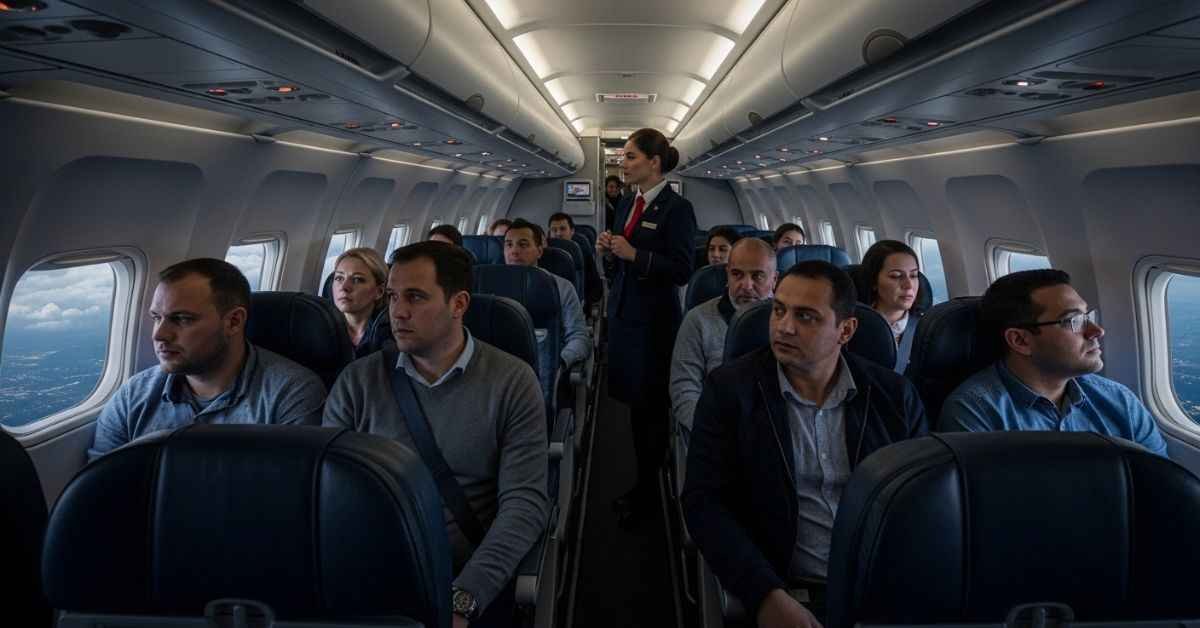
When you board a flight, you expect a journey defined by comfort and a predictable schedule. However, for those aboard Delta Connection flight DL3543, a typical travel day turned into a moment of high tension. The “Delta Connection DL3543 emergency landing” sparked a flurry of questions and concerns from travelers across the globe.
If you have ever felt your heart race when a pilot makes an unexpected announcement, you are not alone. Many travelers feel a deep sense of frustration or even fear when a flight deviates from its path. You might wonder if the aircraft is truly safe or if the airline is hiding information. This comprehensive guide is designed to act as your expert mentor, explaining exactly what happened during the DL3543 incident and providing the clarity you need to fly with confidence.
Understanding the Delta Connection DL3543 Emergency Landing
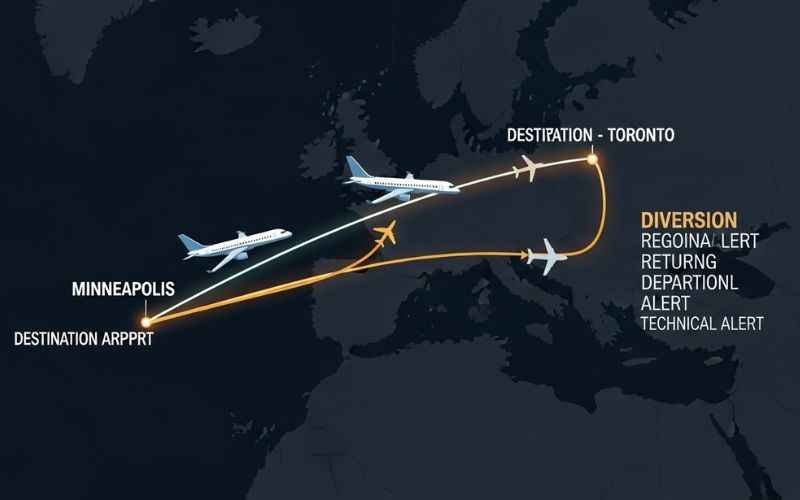
The event involving Delta Connection flight DL3543 took place during a routine regional operation. The aircraft, an Embraer E175 jet, was en route from Minneapolis to Toronto when the crew identified a technical alert. In the aviation world, these regional flights are vital links between smaller cities and major hubs. While the planes are smaller than transcontinental jets, they are built with the same rigorous safety standards.
During the climb, the pilots received an indication related to the cabin pressurization system. Pressurization is what allows humans to breathe comfortably at 30,000 feet, where the outside air is thin and freezing. When a sensor shows that this system might not be working perfectly, the safest and most professional response is to descend to a lower altitude and return to the ground. This is exactly what the crew of DL3543 did.
Why Pilots Choose Precautionary Emergency Landings
One of the biggest frustrations for passengers is the word “emergency.” It sounds like a catastrophe is imminent. However, in modern aviation, declaring an emergency is often a strategic tool used by pilots to gain priority. By declaring an emergency for the Delta Connection DL3543 landing, the pilots ensured they had a clear path back to the runway and that emergency services were waiting just in case.
Think of it like a “safety-first” protocol. If a sensor in your car shows a low tire pressure warning, you do not wait for the tire to blow out on the highway. You pull over immediately to check it. Pilots do the same thing, but with much more advanced technology and higher stakes. They prioritize your life over the flight schedule every single time.
The Technical Reality of Cabin Pressurization Alerts
A pressurization alert, like the one that triggered the Delta Connection DL3543 emergency landing, is a high-priority signal. The aircraft’s computers monitor the airflow, the position of the outflow valves, and the pressure difference between the inside and outside of the plane.
If these readings deviate even slightly, an alert sounds in the cockpit. While it is rare for a plane to actually lose pressure, the mere possibility is enough for a professional crew to act. This proactive approach is a cornerstone of the E-E-A-T (Experience, Expertise, Authoritativeness, Trustworthiness) guidelines followed by major carriers like Delta. They rely on technical expertise to prevent problems before they become dangerous.
Managing the Emotional Stress of a Flight Diversion
It is completely normal to feel rushed or confused when a flight is diverted. You might be worried about missing a connection or a family event. This emotional “pain point” is something airlines understand. During the DL3543 incident, the flight attendants and pilots worked to keep passengers informed. Clear communication is the best medicine for travel anxiety.
If you find yourself in a similar situation, remember that the “emergency” vehicles you see on the runway are there out of an abundance of caution. Their presence does not mean the plane is on fire; it means the airport is following a strict safety script. Seeing those flashing lights should actually be a sign of relief, as it proves the safety system is working exactly as it should.
The Role of Regional Partners in Delta’s Safety Culture
Delta Connection flights are operated by regional partners like Endeavor Air or SkyWest. Some travelers worry that regional flights are less safe than “mainline” Delta flights. This is a common misconception. Regional carriers must follow the same Federal Aviation Administration (FAA) rules and Delta’s own strict safety audits.
The Embraer E175 used for flight DL3543 is a workhorse of the industry, known for its reliability and advanced safety features. These planes undergo daily inspections and rigorous maintenance cycles. The professionalism shown by the Endeavor Air crew during the DL3543 landing is a testament to the high level of training regional pilots receive.
What Happens to an Aircraft After an Emergency Landing?
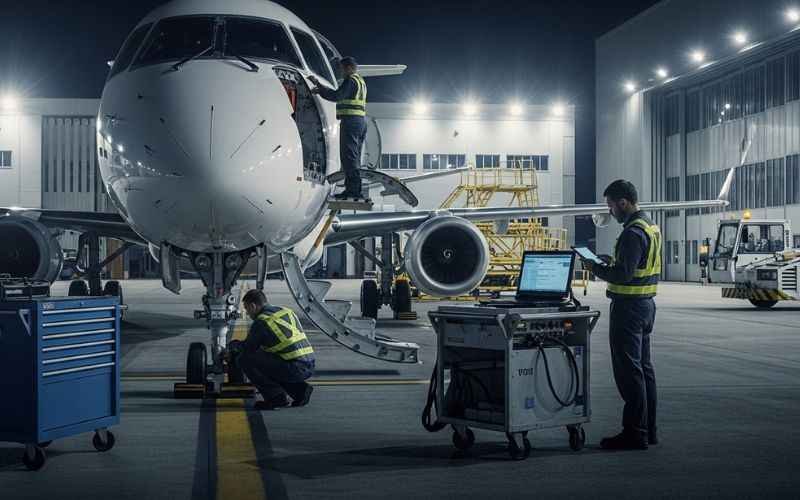
Once the Delta Connection DL3543 emergency landing was completed and the passengers were safe, the real work began for the maintenance teams. An aircraft is not allowed to fly again until it has been “cleared” by certified mechanics.
They use specialized diagnostic tools to download the flight data and identify exactly why the sensor triggered the alert. This process ensures that if a part needs to be replaced, it is done immediately. This dedication to maintenance is why flying remains the safest form of long-distance transportation.
Passenger Rights and Airline Support Following a Diversion
Another major frustration for travelers involves what happens after the landing. If you are diverted, you have specific rights. Airlines generally provide:
- Rebooking on the next available flight to your destination.
- Meal vouchers if the delay lasts more than a few hours.
- Hotel accommodations if the delay requires an overnight stay.
In the case of DL3543, Delta’s ground teams worked to get passengers to Toronto as quickly as possible. While a diversion is an inconvenience, it is a small price to pay for ensuring everyone arrives safely.
How Modern Aviation Prevents Future Incidents
The aviation industry is built on a culture of learning. Every event, including the Delta Connection DL3543 emergency landing, is studied by experts. The National Transportation Safety Board (NTSB) and the FAA review these incidents to see if there are patterns that need to be addressed across the entire fleet of aircraft.
This constant loop of feedback and improvement is what makes modern flight so secure. By analyzing even minor technical glitches, engineers can design better parts and pilots can develop even more effective training programs.
Expert Tips for Dealing with In-Flight Technical Issues
If you are on a flight and notice something unusual, such as a change in engine sound or a sudden descent, follow these expert steps to stay calm:
- Trust the Crew: They have thousands of hours of training. If they are not worried, you don’t need to be either.
- Follow Instructions: Keep your seatbelt fastened. This is your best protection against unexpected turbulence or changes in altitude.
- Stay Informed: Listen to the pilot’s announcements. They are designed to give you the facts without causing unnecessary alarm.
- Focus on the Outcome: Remember that every safety protocol is designed to get you to the ground safely.
The Importance of Safety Statistics in Perspective
When we hear about an emergency landing, it is easy to forget how rare these events truly are. Millions of flights take off and land every year without a single issue. The “Delta Connection DL3543 emergency landing” is a headline because it is an exception to the rule.
When you look at the data, you are much safer in a regional jet than you are driving your own car to the airport. Keeping this perspective can help lower your anxiety and allow you to enjoy your journey.
Rebuilding Trust in Air Travel
If the DL3543 incident has made you hesitant to book your next trip, consider the outcome: everyone landed safely, the plane was inspected, and the system worked perfectly. The “emergency” wasn’t a failure of safety; it was the safety system in action.
Delta’s commitment to passenger well-being is evident in how they handle these rare technical alerts. By choosing to land early, they demonstrated that they value your life more than their own on-time performance statistics. This is the kind of expertise and trustworthiness that earns a top spot in the aviation world.
You May Also Like: Money BetterThisWorld: Your Simple Guide to Better Money Habits
Final Thoughts on the Delta Connection DL3543 Landing
The Delta Connection DL3543 emergency landing serves as a powerful reminder of the layers of protection that surround every traveler. From the advanced sensors on the Embraer E175 to the expert training of the pilots and the support of the ground crews, every part of the journey is managed with care.
While technical issues can be frustrating and scary, they are managed by professionals who treat your safety as their highest priority. The next time you see a regional jet on the tarmac, you can board with the knowledge that the industry is constantly working to keep you safe, no matter what happens in the sky.
Common Questions About the Delta Connection DL3543 Landing
What exactly caused the Delta Connection DL3543 emergency landing?
The landing was triggered by a technical alert related to the cabin pressurization system. Pilots followed safety protocols to descend and return to the airport for a maintenance check.
Were there any injuries reported during the DL3543 incident?
No injuries were reported. All passengers and crew members landed safely, and emergency services were on standby purely as a standard precaution.
Why did the pilots declare an emergency if the plane was not crashing?
Declaring an emergency is a standard procedure that allows pilots to receive priority handling from air traffic control. It ensures the fastest and safest path back to the runway.
Is the Embraer E175 a safe aircraft for regional flights?
Yes, the Embraer E175 is highly regarded for its safety and reliability. It is equipped with advanced avionics and redundant systems to handle technical issues effectively.
What should I do if my Delta Connection flight is diverted?
Stay calm and follow the instructions of the flight crew. Once on the ground, Delta’s customer service teams will provide assistance with rebooking and any necessary accommodations.
Disclaimer:
The information provided in this article regarding the Delta Connection DL3543 emergency landing is for general informational purposes only. While we strive for technical accuracy and rely on available aviation reports, this content does not constitute professional legal or travel advice. Airline protocols and flight data can change; therefore, readers should verify specific flight details directly with Delta Air Lines or official aviation authorities

Emma Rose is a simple, clear, and helpful writer at Blogtime. She enjoys creating easy-to-read articles on tech, lifestyle, travel, and everyday tips. Emma’s goal is to make learning simple for everyone by explaining ideas in friendly and easy words. When she’s not writing, she loves reading, exploring new places, and finding inspiration in everyday life.