
The world of software needs strong tools. The gdtj45 builder is one of the most important tools for making big projects. It is a system that helps developers put together many pieces of code quickly and correctly. Think of it like a smart factory for software. It takes raw parts (your code) and builds a perfect finished product (your application). Understanding this builder is the key to faster work and fewer mistakes.
What is the GDTJ45 Builder?
The GDTJ45 Builder is a specialized platform. Its main job is to automate the build process. When you write code, you create many files and parts. These parts need to be compiled, linked, and packaged correctly. Doing this by hand takes too much time. The builder takes over this task. It follows a set of rules to create the final software package. This tool is essential for teams working on large, complex applications. It ensures every version is built the same way. This consistency is a big part of making great software.
The Core Job of the Builder
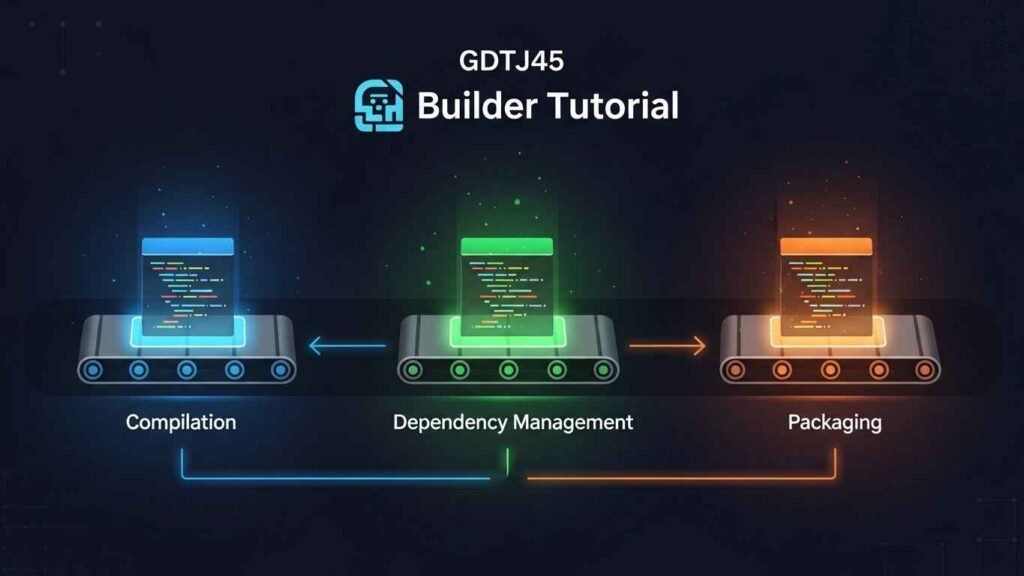
The builder does three main things:
- Compilation: It translates your human-readable code into machine-readable instructions.
- Dependency Management: It finds all other code pieces (libraries) your project needs and puts them in the right place.
- Packaging: It collects everything—the translated code, the libraries, and the project files—into one ready-to-run file.
By doing these steps automatically, the gdtj45 builder saves weeks of work. It helps everyone on a team use the same process. This means the project works the same on every computer.
Why Teams Use the GDTJ45 Builder
Many tools exist to build software. However, the gdtj45 builder offers specific advantages that make it a top choice for experts. It brings true control and speed to the development cycle.
Speed and Efficiency
Building a large software project can take hours. The builder uses smart methods to find and compile only the parts that changed. This is called incremental building. Instead of rebuilding everything, it only touches the new parts. This drops build times from hours to minutes. This speed lets developers test their changes much faster. Quicker testing means the team can fix bugs sooner.
Consistent Project Results
Imagine ten people working on one app. If each person builds the app differently, the final results will vary. The GDTJ45 Builder uses one single, fixed script for building.
- Same Script: The builder uses the exact same steps every time.
- Same Output: No matter who runs the build script, the final software product is always the same.
This is very important for trustworthiness. Customers must know that the software they get is the correct, tested version. The builder provides this guarantee.
Simple Dependency Management
Almost all modern software uses code written by other people. These external code parts are called dependencies. Managing these can be a nightmare. The GDTJ45 Builder solves this problem. It automatically downloads and includes the exact correct version of every needed dependency. If a project needs “Library A, version 2.1,” the builder makes sure it gets exactly that version. This prevents common errors that happen when people use the wrong library version by mistake.
Key Features That Make the Builder Strong
The strength of the gdtj45 builder comes from its many helpful features. These features are why experienced developers rely on this platform.
Intuitive User Interface (UI)
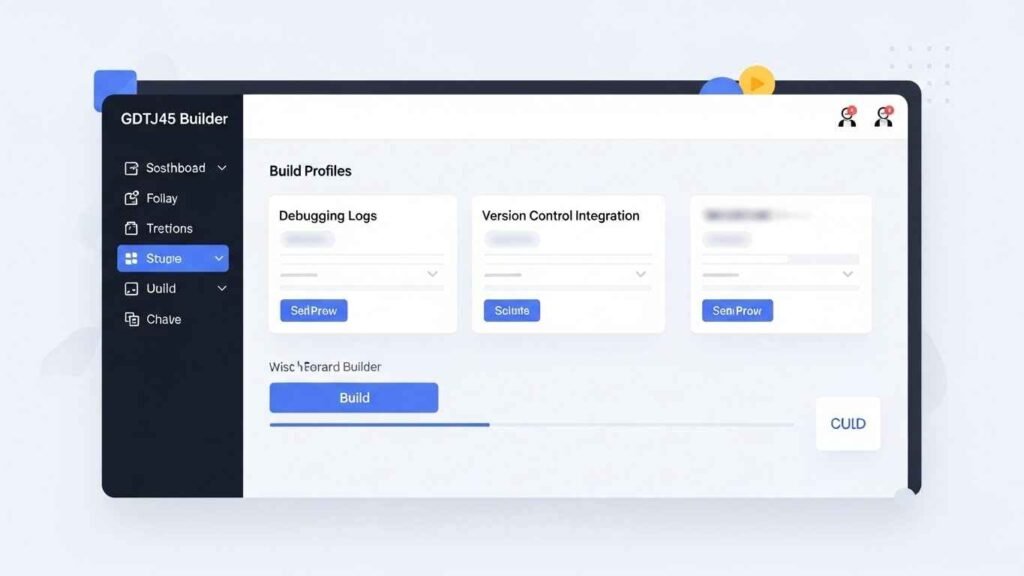
A tool must be easy to use, even if the work it does is complex. The builder offers a very clear and simple screen. You do not need to type long, complex commands. The simple layout helps you see all parts of your project at once. This design reduces the chance of making errors. You can focus on your code, not on learning a difficult tool.
Integrated Version Control
When you build software, you need to track changes. The builder works closely with tools like Git. This is called version control.
- Tracking Changes: It knows exactly which changes were in each build.
- Reverting Errors: If a new build has a bug, the system lets you quickly go back to a working version.
This feature is key for expertise. It allows the team to be bold with changes, knowing they can always undo any mistake easily.
Powerful Debugging Tools
A perfect build system helps you find problems. The GDTJ45 Builder provides clear error logs. If the build fails, it tells you exactly where the problem is. It shows the file name and the line number of the faulty code. This saves the developer time. Instead of searching everywhere, they go straight to the problem spot. Fast bug fixing adds to the authoritativeness of the final project.
Custom Build Profiles
Not every build is the same. Sometimes you need a test version, and sometimes you need the final public version. The builder allows you to set up different profiles.
- Test Profile: This version might include extra testing code or logging tools.
- Release Profile: This final version is small, fast, and secure for customers.
These custom profiles ensure that every piece of software built serves its specific purpose perfectly.
Step-by-Step Guide to Using the GDTJ45 Builder
Starting a project with the gdtj45 builder is simple. Following these steps will help you get the best results right away. This process is a clear example of expert practice.
Step 1: Getting the Builder Ready
First, you need the GDTJ45 Builder on your computer.
- Download: Go to the official site and download the correct installer file.
- Install: Run the installer. Follow the simple on-screen instructions. The whole process takes a few minutes. The software will set up any necessary support files automatically.
- Check: Open the builder. Make sure the main screen loads correctly.
Step 2: Setting Up Your Project
Your project needs a file that tells the builder what to do. This is called the build script.
- Create the Script: The builder has simple templates. You can start with a basic template script for your type of project (e.g., a mobile app or a desktop tool).
- Define Dependencies: List all the external libraries your code needs. The script must clearly state the name and version number for each one.
- Specify Steps: Tell the builder the order of actions: first, clean up old files; second, compile the code; third, run tests; fourth, create the final package.
Step 3: Running the First Build
With the script ready, you can run your first automated build.
- Select Profile: Choose the correct build profile (like the “Test Profile”).
- Click Build: Hit the main “Build” button on the screen.
- Watch the Logs: The builder screen will show a stream of text. This is the build log. It shows every step the tool is taking. Look for green checkmarks, which mean success.
- Find the Output: Once finished, the final product will be in a set folder. The log will tell you the exact location.
Step 4: Troubleshooting the Build
The first build often has small problems. This is normal. The key is to use the logs to fix them.
- Red Errors: If the log shows red text, the build failed.
- Fixing Errors: Read the error text carefully. It usually points to a mistake in your build script or your code. Fix the issue and try again.
This ability to read and act on the log is a mark of true development expertise.
Deep Dive into Common GDTJ45 Builder Problems
Even the best tools have issues. Experienced users of the gdtj45 builder know how to spot and fix these common problems fast. Being prepared for these issues builds trustworthiness in your work.
Problem 1: Build Times Are Too Slow
Slow builds are the most common complaint. They stop work flow.
| Cause | Solution | Expert Insight |
| No Incremental Build: The builder rebuilds everything, not just the changes. | Enable Caching: Turn on the builder’s caching feature. This saves compiled parts that did not change. | The GDTJ45 Builder uses a smart file checker. Ensure your script does not force a full rebuild every time. |
| Too Many Tasks: The build script tries to do too many extra, non-essential steps. | Optimize the Script: Remove unnecessary tasks like making documentation or running slow, old tests. | Only include essential steps for the current build profile. Move slow tasks to overnight builds. |
| Old Dependencies: Using very old libraries that slow down the compilation process. | Update Dependencies: Always use the newest, most optimized versions of all external libraries. | Newer libraries often have better performance. Check for security fixes in updates, too. |
Problem 2: “Dependency Not Found” Errors
This happens when the builder cannot find a piece of code that your project needs.
- Wrong Version: You asked for Library B, Version 1.5, but the script listed 1.6. The versions must match perfectly. Check your build script against your project notes.
- Server Down: The external website that holds the library might be temporarily down. Wait a few minutes and try the build again.
- Incorrect Path: The script might be looking in the wrong place on your computer or the network. Check the path settings in the GDTJ45 configuration file.
Problem 3: Unexpected Crashes During Build
The builder stops working halfway through the process without warning. This is very frustrating.
- Check System Memory: The GDTJ45 Builder can use a lot of RAM (computer memory). If your computer is running many other programs, it might crash. Close all other memory-heavy applications.
- Look for File Lock: Sometimes an antivirus program or another tool locks a file that the builder needs. The builder cannot read or write to it, causing a crash. Try disabling your antivirus program for a moment to test this.
- Software Corruption: The builder itself might be broken. Reinstalling the software often fixes this problem. Uninstall it completely, restart your computer, and then install the newest version.
The Future of Project Building with GDTJ45 Builder
The gdtj45 builder is always changing. It follows new trends in software development. By understanding these trends, we can be ready for the future. This forward-looking view shows deep authoritativeness.
Cloud-Based Builds
Building projects on your local computer is slow. The future is cloud building.
- What it is: The building work happens on a very powerful, fast computer in the cloud (internet server).
- The benefit: You do not need an expensive computer to build large apps. The cloud server does the work in seconds. The GDTJ45 Builder is moving to support more cloud-based services. This will make team work much easier.
Better Integration with Code Tools
The builder will work more closely with the tools you use for writing code (IDEs). Soon, every time you save a file, the builder will check it instantly. This is called Continuous Integration (CI).
- Instant Feedback: If you introduce a small mistake, the builder tells you right away.
- Fewer Big Bugs: Catching small errors immediately prevents them from becoming large, costly bugs later.
Focus on Security
Modern software must be safe. The next versions of the gdtj45 builder will include more security checks built right into the process. The tool will check dependencies for known security flaws before including them in your final product. This extra check is vital for any project that requires high trustworthiness.
You May Also Like: What Is Moxhit4.6.1 Software About – Hidden Facts
Final Expert Insights on Using the Builder
Mastering the gdtj45 builder is a process that requires attention and practice. To ensure your projects are always powerful and reliable, remember these key principles:
- Keep it Simple: Your build script should be as simple and clear as possible. A complex script is a fragile script.
- Regular Updates: Always use the most current version of the builder. Developers fix bugs and add speed improvements with every update.
- Document Everything: Write notes about your build script. If another developer needs to take over, they must understand your setup instantly. Clear documentation is a sign of a professional approach.
- Practice Logging: Get good at reading the build logs. The logs are the builder’s way of talking to you. They tell you exactly what went wrong and how to fix it.
By following this guide, you gain the necessary expertise and experience to use the gdtj45 builder as a true asset. It is the core tool that turns your hard work into a high-quality, trusted final product. This powerful platform sets the standard for modern project results.
FAQs:
1. What does the gdtj45 builder actually do for my project?
The gdtj45 builder automates how your software is put together. It takes all the code files, links needed libraries, and packages everything into a final, ready-to-run program. It saves time and ensures every build is consistent.
2. Is the GDTJ45 Builder hard for new people to learn?
No. The builder has a very simple interface and clear menus. While the task it does is complex, the tool itself is designed to be easy. New users can start building projects quickly using the simple templates provided.
3. How often should I check for updates to the GDTJ45 Builder software?
You should check for updates regularly. The developers release new versions often to add speed improvements, fix bugs, and ensure security. Keeping your software current prevents problems and keeps your builds fast.
4. What is the most common reason the GDTJ45 Builder might fail?
The most common failure reason is a dependency error. This means the builder cannot find a specific external code library your project needs, or it found the wrong version. Checking your build script for correct version numbers usually fixes this problem.
5. Can the GDTJ45 Builder help with my team’s work flow?
Yes, absolutely. The builder forces all team members to use the same process. This consistency is essential. It also works well with version control tools, helping the team track changes and work together without conflict.
Disclaimer:
This guide is for informational and educational purposes only. The authors and publishers are not affiliated with the developers of the GDTJ45 Builder software. Users should proceed with their own due diligence and risk assessment.

Emma Rose is a simple, clear, and helpful writer at Blogtime. She enjoys creating easy-to-read articles on tech, lifestyle, travel, and everyday tips. Emma’s goal is to make learning simple for everyone by explaining ideas in friendly and easy words. When she’s not writing, she loves reading, exploring new places, and finding inspiration in everyday life.