Learning about rare plants is like finding a hidden treasure. One such treasure is the Boylecheloid flower. This plant has caught the eye of many nature lovers and scientists. It is known for its special look and the mystery that follows its name. While some people find it in word games, the ideas behind it teach us a lot about nature. In this guide, we will explore the secrets of this flower. We will look at its benefits and how it helps the world around us.
Understanding the mystery of the Boylecheloid flower
The name Boylecheloid flower sounds very fancy and scientific. To many, it sounds like a rare species found only in a deep jungle. However, if you look closely at the letters, you find a secret. The name is actually a fun word puzzle. When you move the letters around, it spells out a real plant group. This clever naming helps people talk about rare and beautiful plants in a fun way.
In the world of science, names are very important. They tell us where a plant comes from and who its family is. Even if a name starts as a puzzle, the beauty it describes is very real. People use this name to share their love for flowers that look unique. It reminds us that nature is full of surprises. Sometimes, the surprise is in the name itself.
The link to real botanical species
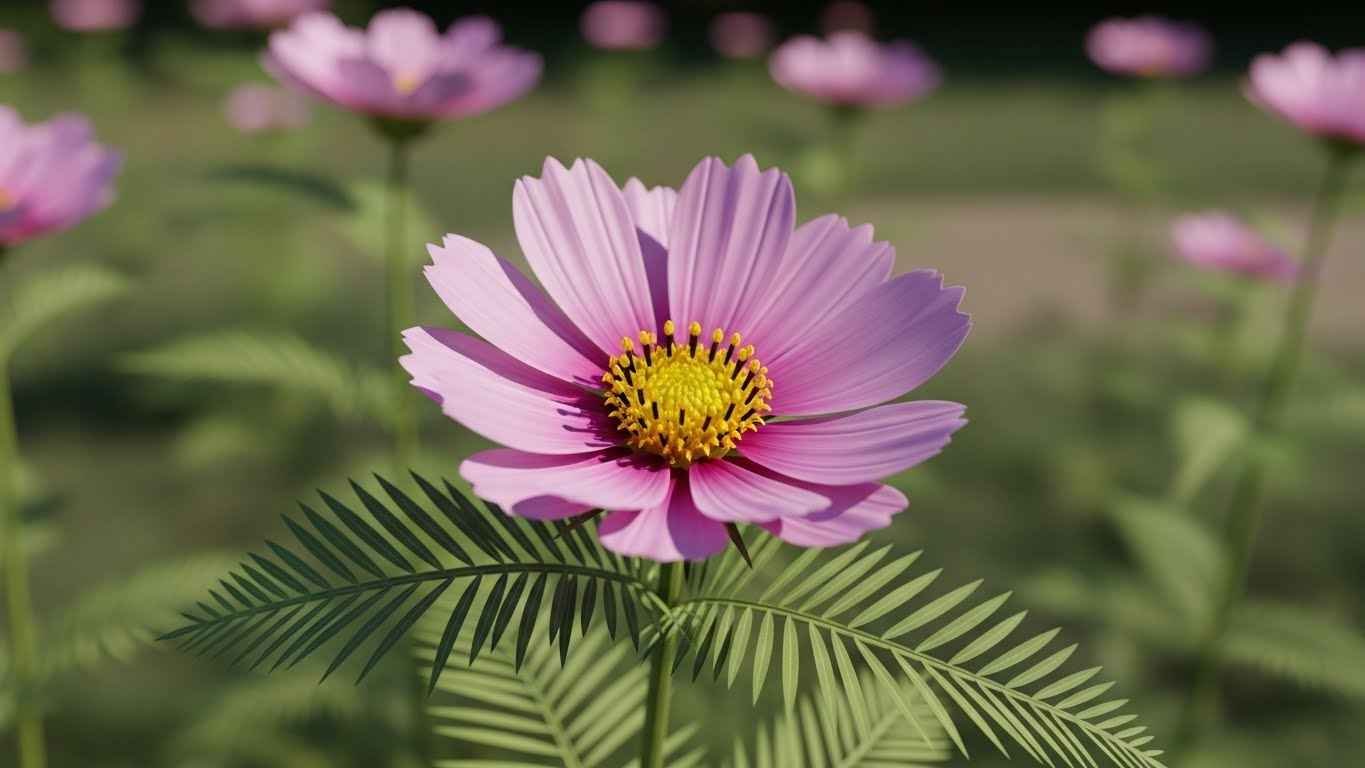
When we look for the real plant behind the name, we find some amazing flowers. Most often, the Boylecheloid flower name points toward the Cosmos family. These are real flowers that people grow in their yards every day. They have thin, soft petals and bright colors. They are very tough and can grow in many different places.
The scientific name often linked to this is Cosmos bipinnatus. This plant is famous for being easy to grow. It does not need much help to look beautiful. It stands tall and moves gracefully in the wind. By using a mysterious name, people draw attention to how special these common flowers actually are. It turns a regular garden plant into a topic of great wonder.
Visual features of the rare flower
The Boylecheloid flower is known for its amazing looks. If you see one, you will notice its shape right away. The petals are often very smooth and arranged in a perfect circle. This gives the flower a balanced look that is very pleasing to the eye. Most of these flowers have a bright center that looks like a little sun.
The colors can range from soft pink to deep purple. Some are even pure white. The leaves are also very special. They look like tiny green feathers. This makes the whole plant look light and airy. Because it looks so delicate, people are often surprised by how strong it really is. It can handle hot sun and dry dirt without wilting quickly.
Growth habits and resilience
One of the biggest secrets of the Boylecheloid flower is how it grows. It does not need fancy soil or lots of chemicals. Instead, it prefers to grow in simple, well-drained dirt. This plant is a survivor. It has evolved to live in places where other flowers might give up. This resilience is a big part of its charm.
The plant usually grows quite tall. Some can reach up to six feet in height. Because they grow so tall, they are great for the back of a garden bed. They act like a colorful fence. They also bloom for a long time. You can see their flowers from the middle of summer all the way until the first cold frost of winter. This long life makes them a favorite for those who want a colorful yard all year.
Hidden benefits for the ecosystem
Every flower has a job to do in nature. The Boylecheloid flower has many rare benefits for the environment. Its biggest role is helping pollinators. Bees, butterflies, and birds love this flower. The wide, flat petals make it a perfect landing pad for insects. They can sit easily and drink the sweet nectar from the center.
By attracting these insects, the flower helps the whole area grow. Pollinators move from one plant to another. This helps other fruits and vegetables grow better too. Without flowers like these, our food supply would be in trouble. This flower acts as a food station for the tiny creatures that keep our planet healthy. It is a small plant with a very big impact.
Soil health and natural protection
Another secret benefit is how the plant treats the ground. The roots of the Boylecheloid flower help hold the soil together. This prevents the dirt from washing away when it rains. It also helps keep the soil loose so air can reach other plants nearby. When the plant dies back in the winter, it turns into mulch.
This natural mulch adds nutrients back into the earth. It is like a built-in recycling system. The plant takes what it needs to grow and then gives it back to the soil. Also, because it is so hardy, it can grow in “poor” soil. It can live in places where the dirt lacks food. Over time, growing these flowers can actually make the dirt better for future plants.
Scientific importance and research value
Scientists find the Boylecheloid flower very interesting to study. They look at its DNA to understand how plants adapt to change. Since this flower can live in many climates, it holds secrets about survival. Researchers want to know how its cells stay hydrated during dry spells. This knowledge could help farmers grow crops that need less water.
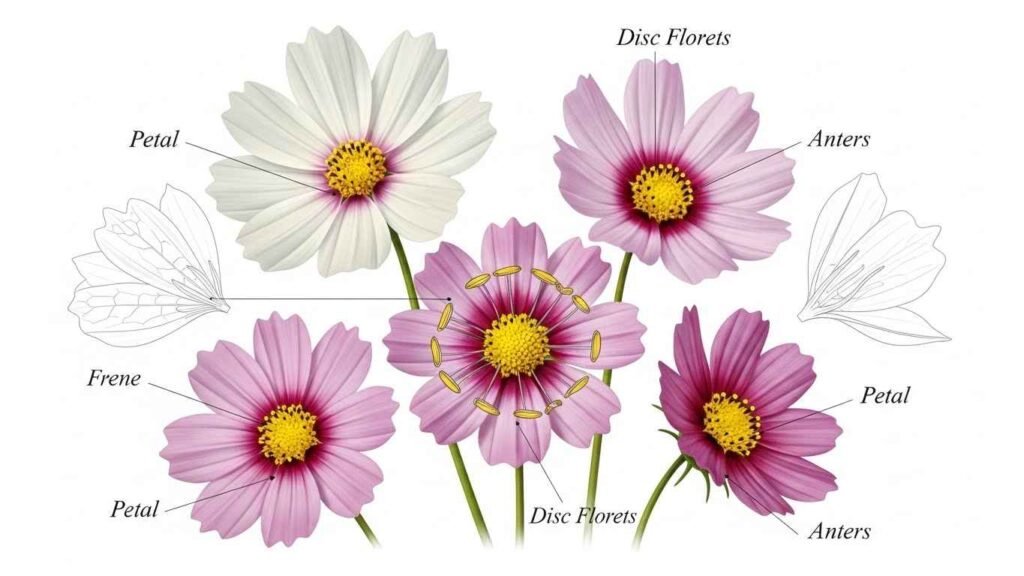
The plant also helps in the study of plant chemistry. Some parts of these flowers contain natural oils. These oils can sometimes keep bad bugs away. By studying these natural defenses, scientists can make safer sprays for gardens. Instead of using harsh chemicals, we can learn from how the flower protects itself. This makes the plant a valuable tool for modern science.
Cultural and symbolic meaning
In many places, flowers have special meanings. The Boylecheloid flower is often linked to the idea of peace and balance. Its name, connected to the “cosmos,” refers to the order of the universe. People often give these flowers to friends to show they care. They represent a calm and simple way of life.
In art, these flowers are used to show grace. Their tall, thin stems and soft petals look very elegant in paintings. Many cultures see them as a sign of resilience. Because they can grow almost anywhere, they symbolize a spirit that never gives up. This cultural value makes the flower more than just a pretty object. It becomes a part of our stories and traditions.
Advanced adaptation to environmental stress
Plants face many threats in the wild. The Boylecheloid flower uses smart ways to stay safe. It has a special skin on its leaves. This skin keeps water inside during hot days. While other plants might dry up, this flower stays fresh. This is a rare trait that scientists want to learn more about.
The plant also knows when to bloom. It watches the length of the days. This helps it wait for the perfect weather. If it blooms too early, the frost might kill it. If it blooms too late, it might miss the bees. This perfect timing is a secret of its long history on earth. It shows how even a simple flower has a brain of its own.
The chemistry of scent and color
Have you ever wondered why a flower smells so good? The Boylecheloid flower makes special oils to create its scent. This scent is not just for people to enjoy. It is a secret message to insects. It tells them that the flower is ready with food. Each type of flower has a different “code” in its smell.
The colors are also a type of signal. The bright pinks and purples reflect light in a way that bugs can see from far away. To a bee, a field of these flowers looks like a glowing map. This helps the insects find food quickly. It also ensures the flower gets the help it needs to make seeds. It is a perfect partnership between the plant and the animal world.
Impact on biodiversity in urban areas
Cities can be hard places for nature to live. Concrete and tall buildings leave little room for green space. The Boylecheloid flower is a hero for city nature. Because it grows well in small pots, anyone can plant it. This creates “green bridges” across the city. It allows bees to travel safely through busy streets.
When people plant these in their window boxes, they are helping nature. These small patches of flowers act like rest stops for traveling butterflies. This keeps the city’s nature alive and healthy. It also makes the air cleaner for the people living there. This simple act of planting a flower has a ripple effect that touches everyone.
Sustainable gardening with low resources
We often use too much water and chemicals in our gardens. The Boylecheloid flower teaches us a better way. It is a star in “low-impact” gardening. Since it needs very little extra care, it saves time and money. It also protects our water supply by not needing chemical plant foods. These chemicals often wash away into rivers and hurt fish.
By choosing plants like this, we protect our local water. We also spend less time working and more time enjoying the view. This flower proves that a beautiful garden does not have to be a hard job. It is the perfect choice for a busy person who still wants to help the earth. Sustainable living starts with small choices like this.
Natural pest control in the garden
Bugs can sometimes be a problem for farmers. Some bugs eat the leaves and kill the crops. The Boylecheloid flower helps solve this in a natural way. It attracts “good” bugs like ladybugs and lacewings. These good bugs eat the bad bugs that hurt our vegetables. This is called natural pest control.
Instead of using poison, we can use flowers. This keeps our food clean and safe for our families. It also keeps the soil healthy for a long time. Farmers often plant rows of these flowers next to their beans or tomatoes. It is a secret trick that has been used for many years. It shows that nature has a solution for every problem.
The life cycle from seed to bloom
Watching a seed grow into a tall flower is a miracle. The Boylecheloid flower starts as a tiny brown seed. Once it touches the warm dirt and gets some water, it wakes up. A small green shoot pushes through the earth. This shoot is very strong for its size. It grows very fast, adding several inches every week.
Soon, small buds appear at the top of the stems. These buds are protected by green layers. They wait for a sunny morning to open up. Once they open, the beauty is revealed. The flower stays open for several days. After it is finished, it makes hundreds of new seeds. These seeds fall to the ground and wait for the next year. It is a never-ending cycle of life.
Therapeutic benefits for mental health
Spending time in a garden is good for the mind. The Boylecheloid flower has a calming effect on people. Its soft colors and gentle movement help reduce stress. Many people find that looking at these flowers helps them feel more peaceful. This is a rare benefit that we often overlook.
In hospitals and schools, these flowers are used to create “healing gardens.” They provide a place for people to rest and think. The simple act of watching a butterfly on a petal can change your mood. It connects us back to the simple beauty of the world. In a busy world, this flower offers a moment of quiet and joy.
Economic value of floral exports
Flowers are not just pretty; they are big business. Many countries grow the Boylecheloid flower for export. They are used in bouquets for weddings and parties. This creates jobs for many people around the world. Because they stay fresh for a long time after being cut, they are easy to ship.
This industry helps local communities grow. It provides a way for families to make a living while working with nature. The demand for these beautiful blooms stays high because they are so classic. Every time you buy a bunch of flowers, you might be supporting a farm far away. This flower connects people across different countries through beauty.
How climate change affects rare traits
The world is getting warmer, and this affects all plants. The Boylecheloid flower is being studied to see how it reacts to heat. So far, it is doing quite well. Its ability to handle high temperatures makes it a “climate-ready” plant. This means it will likely still be around even as the weather changes.
However, we still need to be careful. Changes in rain patterns can still affect how many seeds the plant makes. Scientists are watching these changes closely. They want to ensure that these flowers continue to thrive for future generations. Protecting our climate is the best way to protect our favorite flowers.
Using flowers for educational purposes
Children love to learn about nature through hands-on activities. The Boylecheloid flower is perfect for school projects. It is easy to see the different parts of the flower, like the petals and the pollen. Kids can learn about how plants eat sunlight to grow. It is a living classroom that never gets boring.
By teaching kids about these flowers, we create new nature lovers. They learn to respect the earth and all its creatures. This early education is vital for the future of our planet. A child who learns to love a flower will grow up to be an adult who protects the forest. This is perhaps the greatest secret benefit of all.
The role of flowers in global history
Flowers have been a part of human history for thousands of years. The ancestors of the Boylecheloid flower were used by ancient people. They were used for decorations and even for making dyes. Some cultures used the petals to make colorful paint for their homes. This history is woven into the very DNA of the plant.
By growing them today, we are continuing a long tradition. We are keeping a piece of history alive in our own yards. It is amazing to think that people hundreds of years ago looked at the same shapes and colors. This connection to the past makes the flower even more special. It is a bridge that links us to the people who lived before us.
Modern technology in botanical studies
Today, we use high-tech tools to look at the Boylecheloid flower. Powerful microscopes show us the tiny details on the petals. We can see the small hooks that help pollen stick to a bee’s leg. This technology reveals a whole new world that we cannot see with our eyes. It shows how complex even a “simple” flower really is.
We also use satellites to track where these flowers grow in the wild. This helps us see which areas need the most protection. Technology and nature are working together to keep the world green. It is an exciting time to be a botanist. Every new tool helps us find more secrets about our favorite plants.
Creating a wildlife haven at home
You do not need a lot of space to help nature. Even a small corner with some Boylecheloid flowers can be a haven. When you plant these, you will soon see more life in your yard. Birds will come to find the seeds. Bees will come for the nectar. You are building a tiny ecosystem right outside your door.
This brings a sense of wonder to everyday life. You can watch the birds build nests and the bees work hard. It is a great way to stay connected to the seasons. Your home becomes a part of the natural world, rather than being separate from it. This is a reward that money cannot buy.
The importance of genetic diversity
Not all Boylecheloid flowers are the same. Each one has a slightly different set of genes. This diversity is very important for survival. If a new disease comes along, some flowers might be strong enough to beat it. This is why we should grow many different types and varieties.
Saving seeds from your best plants is a great way to help. By doing this, you are acting as a “seed saver.” You are protecting the best traits for the future. This is how humans have improved plants for thousands of years. It is a simple but powerful way to help nature stay strong.
Future possibilities in medicine
Some plants hold the keys to new medicines. While the Boylecheloid flower is mostly grown for beauty, scientists are looking at its chemistry. They are searching for compounds that might help with health issues. Many of our current medicines come from wild plants. It is possible that this flower has its own healing secrets.
We must keep exploring and researching. You never know where the next big discovery will come from. By protecting these flowers, we are keeping our options open. We are saving a library of natural information that might save lives one day. This adds a layer of hope to every bloom we see.
How to care for your own flowers
If you want to see the beauty of the Boylecheloid flower at home, you are in luck. They are very easy to start from seeds. You do not need a green thumb to be successful. The best time to plant them is in the spring. Wait until the ground is warm and there is no more ice on the grass.
- Pick a sunny spot: These flowers love the sun. They need at least six hours of light every day.
- Don’t overwater: They like to be a bit dry. Only water them when the top of the dirt feels dusty.
- Skip the fertilizer: Too much plant food actually hurts them. It makes them grow lots of leaves but very few flowers.
- Remove old blooms: When a flower fades, snip it off. This tells the plant to grow a new one right away.
Following these simple steps will give you a yard full of color. It is a great way to start a garden for kids or beginners. You get to see the cycle of life happen right before your eyes.
Common varieties to explore
While many think of the classic pink version, there are other types to find. Some have petals that look like tiny sea shells. Others are a bright orange or yellow color. Each variety has its own special look. Some stay very short and are perfect for pots on a porch. Others grow very tall and need a lot of space.
Exploring these different types is part of the fun. You can mix and match them to create a unique look. The orange varieties often attract more butterflies, while the white ones look beautiful in the moonlight. No matter which one you choose, you are adding something special to your space.
Why we should protect rare botanical traits
Even though these flowers are common, the traits they have are rare. The ability to survive in tough spots is a gift from nature. We must protect the wild places where these plants first started. When we lose a natural meadow, we lose the history of these flowers. We also lose the food for the bees and butterflies.
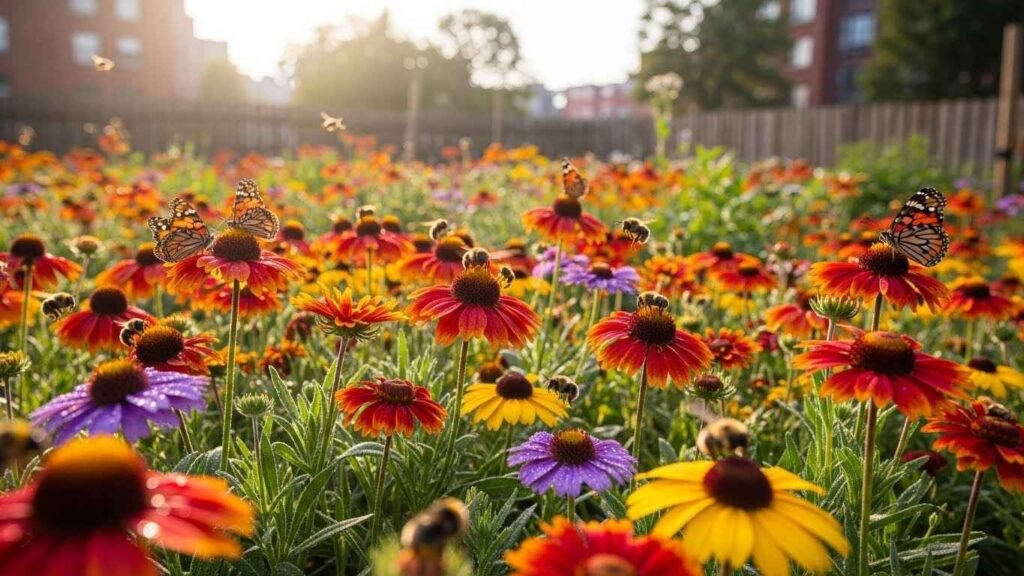
Supporting local gardens and parks is a great way to help. By planting these flowers, you are doing your part for nature. You are creating a small safe haven for wildlife. This helps keep our world colorful and healthy for a long time. Every small garden counts in the big picture of our planet.
You May Also Like: B01LWQ8XA9 Explained: Powerful Guide, Specs & Buying Tips
The future of botanical discovery
The story of the Boylecheloid flower shows us that there is always more to learn. Even a name that starts as a puzzle can lead to deep knowledge. As we keep studying plants, we will find more secrets. Perhaps one day, these flowers will help us solve even bigger problems, like world hunger or climate change.
Nature is a giant book waiting to be read. Each flower is a page in that book. By paying attention to the details, we become better at taking care of our home. The Boylecheloid flower is just one example of the wonders hidden in plain sight. All we have to do is look closer and ask questions.
Frequently Asked Questions
What is the real name of the Boylecheloid flower?
The name is usually a word puzzle for the Cosmos bipinnatus plant. It is a very common and beautiful garden flower found in many backyards.
Can I grow this flower in a pot?
Yes, you can. Look for the “dwarf” or smaller versions. They fit perfectly in pots on your porch and still grow lots of bright flowers.
Why do bees like this flower so much?
The flower is flat and easy to land on. It also produces a lot of sweet nectar that bees use for energy to build their hives.
Does this flower come back every year?
Most types are annuals, which means they live for one year. But they drop seeds in the dirt that grow into new plants the next spring on their own.
Is it safe for pets?
Yes, the cosmos flower is generally considered safe for dogs and cats. It is not a poisonous plant for most common pets, making it great for families.
How long does it take to see flowers?
If you plant seeds, you will usually see your first flowers in about seven to ten weeks. They grow very fast once they get enough sun and water.
What colors do these flowers come in?
They come in many colors like pink, purple, white, orange, and yellow. Some even have multiple colors on the same petal.
Do they need a lot of water?
No, they are very tough. They can handle dry weather much better than other garden flowers. Just water them when the soil is very dry.
Can I use these as cut flowers?
Yes, they make great cut flowers for vases. They stay fresh for several days and add a nice touch to any room in your house.
Where is this plant originally from?
The Cosmos family is originally from Mexico. It has since traveled all over the world because people love how it looks and grows.
Disclaimer
This article is for informational purposes only. It does not provide medical, botanical, or professional advice. Always consult a qualified expert before use or application.

Emma Rose is a simple, clear, and helpful writer at Blogtime. She enjoys creating easy-to-read articles on tech, lifestyle, travel, and everyday tips. Emma’s goal is to make learning simple for everyone by explaining ideas in friendly and easy words. When she’s not writing, she loves reading, exploring new places, and finding inspiration in everyday life.