
The zopalno number flight is a term that pops up on some websites, but it is not easy to understand. Some people see it online and wonder if it is a real flight or a secret code. It looks official because it has numbers and letters, but there is no real record of it in any airline database.
This term is often shown on random blogs, forums, or posts. Some websites describe it as if it is a special flight number system. Others treat it like a mysterious code that only experts know. This makes it very confusing for readers.
The main reason for this confusion is that there is no official source to check. Airlines, airports, and aviation authorities do not list any zopalno number flight. It is not in the IATA or ICAO flight lists. People see it and try to understand, but the truth is hidden in plain sight.
A simple way to think about it is like a story you hear at school. It sounds interesting, but when you ask the teacher or check a book, you find it is not real. This is the case with the zopalno number flight. It seems real online, but no official record exists.
What People Think the Zopalno Number Flight Means
Many blogs and websites try to explain the zopalno number flight. Some say it is a secret flight ID that only governments or airlines know about. Others call it a special aviation code that tracks hidden missions. These ideas are not backed by any real evidence.
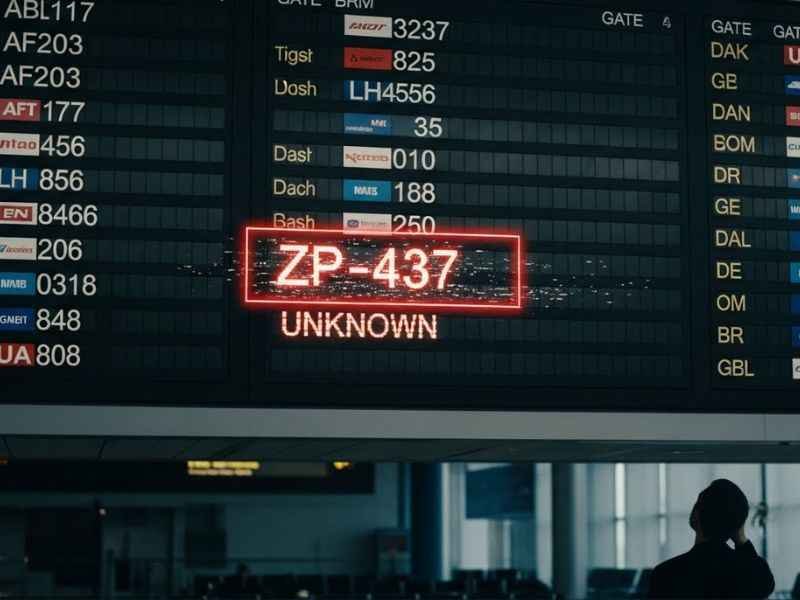
People mix real aviation information with myths and stories. For example, some might see a regular flight number like ZP-437 and think it is a secret or magical flight. In reality, it is just a normal code or a random number someone typed online.
Simple examples of misunderstandings include people believing the flight disappears without a trace or carries special cargo. These stories sound exciting but are not based on facts. They are like a fairy tale about airplanes.
By looking carefully, it becomes clear that most interpretations are fictional. They are based on imagination, not official aviation rules or systems.
Is the Zopalno Number Flight Real
The zopalno number flight is not real. No official database lists it. Both IATA and ICAO, the main organizations that track flights globally, have no record of this system. Airlines do not use it for scheduling or tracking.
Aviation experts never mention it in books, reports, or studies. There is no evidence that this flight exists in real life. It is a made-up term that spread online.
For anyone trying to find facts, it is important to check official sources. Airport websites, airline schedules, and aviation authority databases are reliable. If the zopalno number flight does not appear there, it is not a real flight.
In simple words, it is like a pretend plane in a story. You can talk about it and imagine it, but it does not fly in the sky.
Why the Zopalno Number Flight Became a Rumor
The zopalno number flight became a rumor because people copied information online without checking it. Some blogs repeated the term from other blogs. When many websites show the same story, it starts to look true.
Another reason is misreading codes. Some websites or forums might show backend flight codes or placeholders. People see them and think they are mysterious or secret flights.
Online myths also spread quickly. A small story can grow larger as more people share it. Even a small mistake or guess can turn into a widely believed rumor.
This shows why it is important to check facts. Not everything online is true, and the zopalno number flight is an example of how a harmless term can become a confusing rumor.
The Different Meanings People Attach to These Letters
The letters and numbers in the zopalno number flight, like “ZP-437,” make people curious. Some websites try to explain them as if they have secret meanings. People say these letters point to different zones, regions, or special missions. For example, some claim “ZP” stands for a hidden area and the numbers show the flight path.
Others suggest the letters mark special government or scientific flights. These stories make it sound important and mysterious. Sometimes, people even create charts or tables showing what each letter might mean.
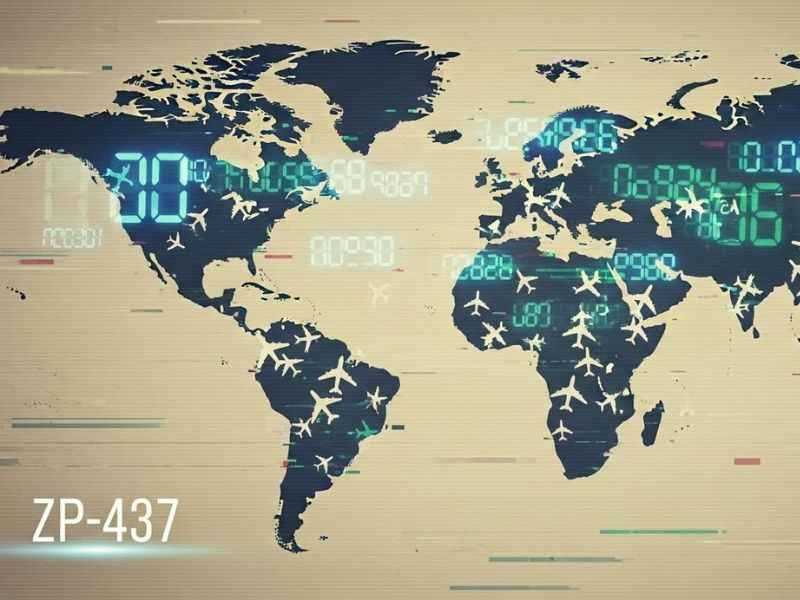
The truth is none of these explanations are verified. Airlines, aviation authorities, and experts do not use these letters in this way. They are only guesses or made-up stories that spread online.
It is like when you play a treasure hunt game. You can make up clues, but they are not real directions. The letters in the zopalno number flight work the same way—they look meaningful but have no official meaning.
A Deeper Look Into Real Aviation Codes (To Compare)
Real flight numbers follow clear rules. Airlines assign numbers based on routes, time, and airline identity. For example, a flight from New York to London might have a code like BA117. The letters show the airline, and the numbers show the specific route.
Airline systems also have backup codes for scheduling and control. These codes are recorded in databases that airlines and airports check daily. There is no secret or magical pattern hidden in these numbers.
When you compare real flight codes with the zopalno number flight, the difference is clear. Real codes are consistent, verified, and published. Fake codes like ZP-437 are random and appear only online.
By learning real aviation numbering, you can spot fake codes easily. It is like learning the rules of a game—you know which moves are allowed and which are not.
Possible Safety Issues if People Trust False Aviation Codes
Trusting fake flight codes can cause problems. If someone believes a fake code, they might think a plane exists when it does not. This can make travelers confused or worried.
For example, a person might check a website showing the zopalno number flight and assume it is a real flight. They could plan trips or expect information that does not exist. In some cases, online forums discuss “tracking” these flights, which spreads false information.
Fake codes can also make emergency or safety alerts look confusing. Airlines and authorities do not use these codes. Believing them can mislead travelers or even cause panic in stories shared online.
It is safest to always check official airline schedules and aviation authority websites for accurate flight information.
How Scammers Use Fake Aviation Terms
Scammers sometimes use strange flight terms like the zopalno number flight to trick people. They might create fake websites or apps that show these flights as “real” to get clicks or personal information.
Some scams claim users can track secret flights or see hidden missions if they register. Others may ask for money to “unlock” flight details. These are not real services.
To protect yourself, always check the official airline website or verified apps. Never enter personal or financial information on sites that use strange or unofficial flight codes.
Scammers rely on curiosity. They know the codes look official, so people might trust them. Being careful and verifying with trusted sources keeps you safe from these tricks.
Why the Zopalno Number Flight Is Often Linked to Backend Software Bugs
Sometimes, airline or flight tracking systems show temporary codes or placeholders. These are not real flights—they are just for testing or system updates.
Screens may display letters or numbers that change quickly. A zopalno number flight could appear this way, as part of a backend database. Mistakes like these can confuse people and make them think it is a real flight.
These temporary codes are common in software, but only programmers or airline staff understand them. When they leak to public websites, myths can start.
It is like seeing a test page on a website. The text is not meant to be official—it is just part of the system.
Could It Be From a Game, Movie, or Fictional World
Some codes like ZP-437 might appear in video games, movies, or stories. Game designers create flight numbers for fun, and fans sometimes mix them with real aviation codes.
Fictional worlds often borrow real-life details to feel realistic. A number that looks like a flight code in a game might be mistaken as real by someone reading online.
It is important to understand that these codes are imaginary. They are part of a story, not a real plane in the sky. Mixing fiction and reality can confuse younger readers, but knowing the difference keeps information safe and accurate.
Places Where Users Might See Such Terms by Accident
Sometimes, the zopalno number flight shows up where you do not expect it.
- Old forums: People share stories and guesses about flights. Some posts show random codes, which later look official.
- Fan-made apps: Games or aviation simulators sometimes include codes that are not real. Players might see ZP-437 or similar numbers in these apps.
- Flight trackers with errors: Some online flight trackers show temporary placeholders or test codes. These can appear as strange flight numbers to users.
When these accidental sightings spread online, they often turn into rumors. Someone sees a code, writes about it, and others copy it without checking. A small mistake or fake code can grow into a story that seems real.
Even experienced adults can get confused if they see these numbers in the wrong place. It shows how easy it is for fake codes to appear everywhere.
Why Children and Teens Search for This Term
Young people are curious about mysteries. Codes like ZP-437 seem like a puzzle. Children and teens might search for them to find secrets or hidden messages.
Social media and video platforms make these codes more interesting. Short posts, fan pages, and comments can make a fake code look exciting. Teens share screenshots and ideas without knowing if they are real.
Safe browsing is important. Young users should check only trusted sites, avoid entering personal info, and ask a parent or teacher when a topic looks suspicious.
Curiosity is good, but safety matters more. Learning to recognize real and fake information is a skill that protects everyone online.
Truth Check Table: Real vs Fake Aviation Code Signs
| Feature | Real Aviation Codes | Fake Aviation Codes |
|---|---|---|
| How to tell | Consistent letters and numbers, follow airline rules | Random letters/numbers, no pattern |
| Where published | Airline websites, ICAO, IATA databases | Forums, fan apps, random blogs |
| Signs of a hoax | Verified by multiple trusted sources | Only seen online, never in official flight lists |
| Examples | BA117, AA101, LH450 | ZP-437, XQ-999, random strings |
| Use purpose | Track real flights, schedules, routes | Pretend stories, rumors, myths |
| Reliability | High, checked daily by airlines | None, unverified |
This table helps readers quickly see the difference between real and fake codes. It is easy to check and understand.
Pros and Cons of Exploring Mysterious Aviation Codes
Pros:
- Fun for learning: Trying to understand codes can teach about aviation.
- Sparks curiosity: Children and adults enjoy solving mysteries and puzzles.
Cons:
- Can mislead: Fake codes make people believe false information.
- Can start rumors: A small mistake spreads quickly online.
- Can attract scams: Some sites trick users with fake flights.
- Wastes time for travelers: People may search for information that is not real.
Exploring is okay for fun, but checking facts keeps you safe. Always balance curiosity with reliable information.
You May Also Like: Using baolozut253: What It Really Means Today, Hidden Risks, and How to Stay Safe
Final Thoughts About the Zopalno Number Flight
The zopalno number flight is a term that looks real but is not verified. No airline, airport, or official aviation authority uses it. It is a made-up story that spread online.
It is okay to be curious about mysteries, but always check official sources. Airport websites, airline apps, and aviation authority pages are the best places for accurate information.
Knowing the truth helps readers stay safe online. Avoid entering personal information on sites showing strange flight codes. Remember, the zopalno number flight is not a real plane or mission.
Curiosity can be fun, but facts matter more. Learning the difference between real and fake aviation codes keeps everyone informed and safe.
Frequently Asked Questions About the Zopalno Number Flight
What is the zopalno number flight?
The zopalno number flight is not a real flight. It is a made-up code that appears online on forums, blogs, and apps. Airlines and aviation authorities do not use it in any official records.
Why do people search for it?
The code looks mysterious and official. Short online stories, screenshots, or games make it seem like a secret flight or hidden mission. This curiosity drives people to look it up.
Is the zopalno number flight used in real aviation?
No. Real flight numbers follow strict rules and are listed in IATA and ICAO databases. This code does not appear in any airline schedules or official flight tracking systems.
Can someone trick you with fake flight codes?
Yes. Scammers sometimes create fake websites or apps that show unusual flight codes. They may ask for personal info or money to “unlock” flight details. Always check trusted sources.
How can I check if a flight number is real?
- Look on official airline websites or apps.
- Check airport schedules.
- Use ICAO or IATA flight databases.
Real codes follow a consistent pattern and appear in multiple trusted sources.
Why do some websites show strange flight codes?
Some websites display temporary placeholders, backend test codes, or fan-made numbers. These codes are not real flights but can accidentally appear online.
Are there real codes that look like ZP-437?
Yes, real flight codes have letters for the airline and numbers for the route. Fake codes like ZP-437 are random and never used in actual schedules.
What is the safest way to explore flight codes online?
- Use official airline or airport apps.
- Verify codes with trusted sources.
- Avoid entering personal information on unknown websites.
Disclaimer
This article is for informational purposes only. The term “zopalno number flight” is unverified and not an official flight code. Always check official airline or aviation sources for accurate flight information. The blog is not responsible for any decisions or actions taken based on this content.

Emma Rose is a simple, clear, and helpful writer at Blogtime. She enjoys creating easy-to-read articles on tech, lifestyle, travel, and everyday tips. Emma’s goal is to make learning simple for everyone by explaining ideas in friendly and easy words. When she’s not writing, she loves reading, exploring new places, and finding inspiration in everyday life.