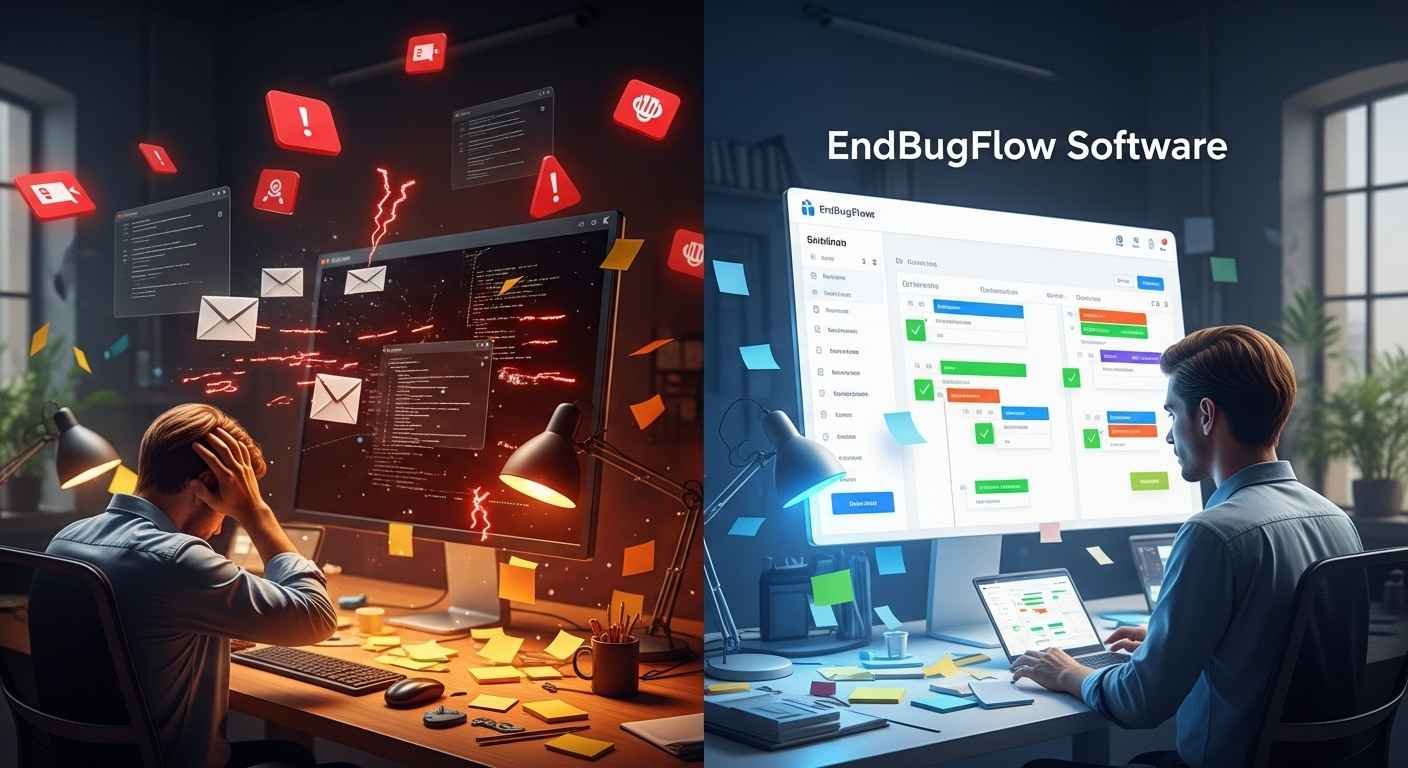
Managing a software project often feels like trying to put out fires with a leaking bucket. You might feel overwhelmed by a never-ending list of bugs that keep piling up. It is frustrating when your team misses deadlines because communication broke down in messy email threads. You may also worry that buying a new tool will just be another expensive mistake that nobody actually uses.
I know how stressful it feels to see your developers lose hours to administrative tasks. You want them to build great things, not spend all day sorting through “it’s broken” reports. This review will help you decide if EndBugFlow Software is the right answer or just more digital clutter. We will look at how this tool tries to turn that chaos into a smooth, organized process.
What is EndBugFlow Software?
EndBugFlow is a digital workspace built to help teams track and fix software errors. It is a central hub where developers, testers, and managers meet to handle technical issues. Instead of using basic spreadsheets, this platform uses automation to make the work faster. It fits well with teams that need to move quickly, like those using Agile or DevOps methods.
The software acts as a memory for your project. It records every glitch, who is working on it, and when it gets fixed. This keeps everyone on the same page without needing constant meetings. It aims to reduce the “noise” in your workday so your team can focus on real progress.
How the Software Solves Common Team Struggles
Many teams face the same three hurdles: poor communication, slow bug reporting, and confusion over what to fix first. EndBugFlow tries to solve these by changing how data moves through your office.
Stop the Email Chaos
When you report bugs through email, details get lost. One person might reply to an old thread, while another starts a new one. This leads to “hidden” bugs that nobody fixes until a client complains. The software stops this by putting every conversation inside the specific bug report. You can tag teammates and leave notes in one place.
Fix the “It’s Broken” Problem
Developers hate getting reports that say “the app crashed” without any details. They waste hours asking for screenshots or system info. This software captures that data automatically. It logs the user’s browser, version, and exact steps taken before the crash. This gives your team the “clue” they need to find the “answer” much faster.
Clear the Priority Fog
It is hard to know which bug is the most dangerous when you have a hundred to choose from. A small typo might look bad, but a broken login button is a disaster. The software uses a smart engine to rank these. It flags critical problems immediately. This ensures your team works on what matters most to your business.
Deep Dive Into Core Features
To understand if this tool is worth your money, we must look at what it does differently. It is not just a digital list. It is a system that thinks about your workflow.
Automated Issue Capture
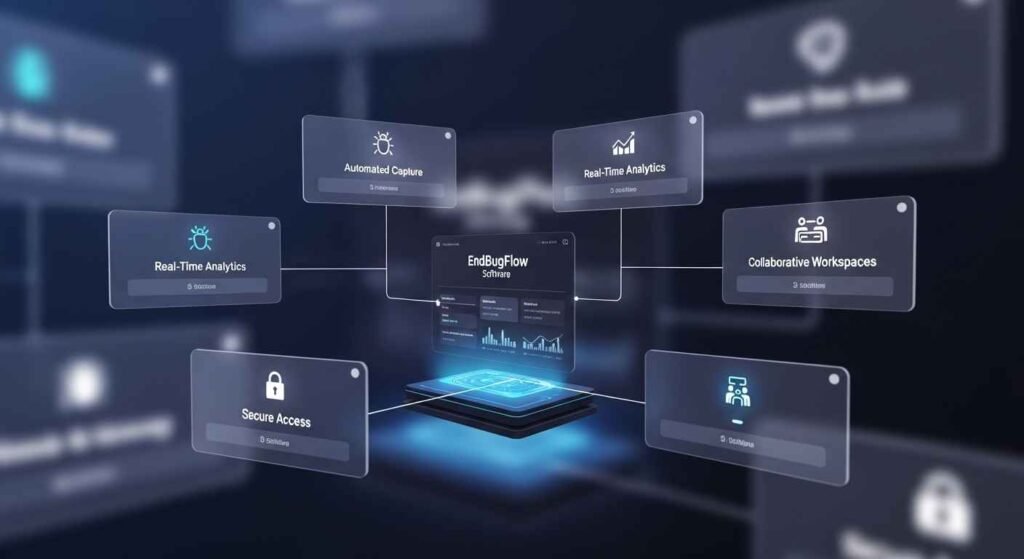
The most powerful part of the software is how it finds problems. You can connect it directly to your application using an API. When a user sees an error, the software “catches” it. It records the exact line of code that failed. This removes the need for users to write long, confusing explanations.
Collaborative Workspaces
The platform creates a room for every project. Inside, you can see a “Kanban” board. This is a visual way to see work moving from “To-Do” to “Done.” It helps managers see if one developer has too much work. Balancing the load keeps your team happy and prevents burnout.
Real-Time Performance Analytics
Numbers help you make better choices. The software tracks how long it takes to fix a bug. It also shows you which parts of your app break the most. If your “Login” page breaks every week, the data will show you. You can then decide to rebuild that section instead of just patching it.
Secure Access Control
You likely have sensitive data in your project. The software lets you decide who sees what. You can give a client access to see progress without letting them delete files. This builds trust with your customers while keeping your secrets safe.
The Systematic Workflow Process
The software works by following a logical path. This path takes a messy problem and turns it into a finished solution.
Step 1: Project Onboarding
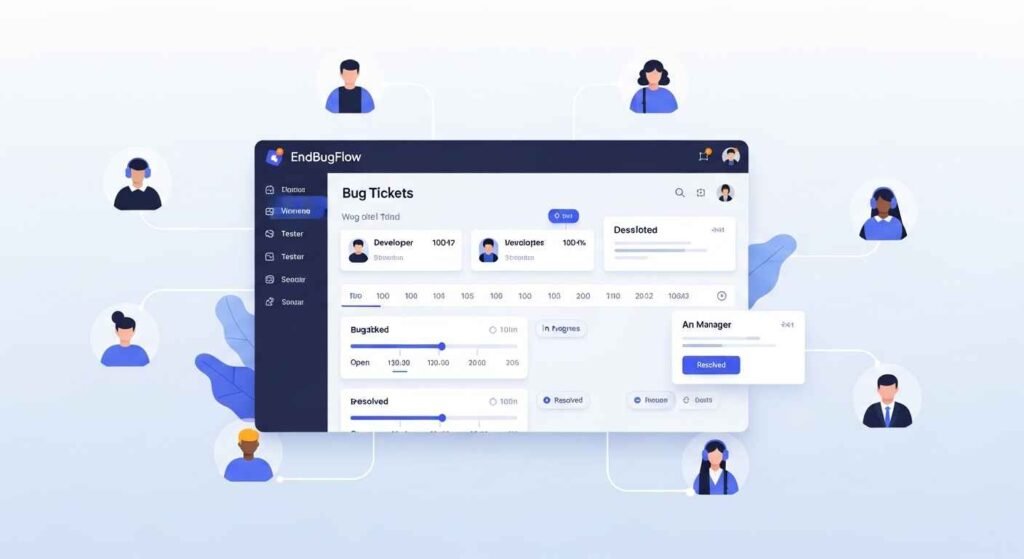
First, you set up your team. You define who is a developer, a tester, or a manager. Each person gets their own view. This keeps people from getting distracted by tasks that do not belong to them.
Step 2: Intelligent Logging
When a bug appears, the software gathers the “why.” It looks at the operating system and the time of day. It bundles this into a “ticket.” This ticket acts as a single source of truth for the rest of the project.
Step 3: Smart Assignment
The system looks at your team’s skills. If a bug is about “Database” issues, it suggests your database expert. This prevents the wrong person from struggling with a task they don’t understand.
Step 4: Live Resolution Tracking
As the developer works, the ticket moves. Everyone can see the progress in real time. If a developer gets stuck, they can flag the ticket. This alerts the manager to help out before the deadline is missed.
Step 5: Final Quality Assurance
Once the code is fixed, it must be tested. The software sends the ticket to the QA team automatically. They run tests to make sure the fix didn’t break anything else. Only after they “approve” it does the bug count as closed.
Why This Software Beats Manual Tracking
You might think a free spreadsheet is “good enough.” But manual tracking has hidden costs. It takes time to update, it is easy to delete things by mistake, and it offers no data.
Faster Resolution Times
Studies show that teams using automated tools fix bugs nearly twice as fast. When you don’t have to search for info, you can just start coding. This speed keeps your project on schedule and your clients happy.
Better Developer Morale
Developers want to build cool things. They do not want to be “data entry” clerks. By automating the boring parts of bug tracking, you keep your team excited. High morale leads to better code and fewer new bugs.
Clear Accountability
In a spreadsheet, it is hard to see who changed what. In EndBugFlow, every action is logged. You know exactly who fixed a bug and who tested it. This is not about blame; it is about knowing who to ask for help when questions arise.
Integration With Your Existing Tools
A new tool should not force you to stop using your old ones. EndBugFlow is designed to “talk” to other software.
Connecting to GitHub and GitLab
Most teams use these platforms to store their code. The software links your bug tickets to your code “commits.” This means when a developer fixes a bug, the software knows exactly which line of code changed.
Messaging With Slack and Teams
You don’t want to check five different apps for updates. You can set up the software to send alerts to Slack. When a critical bug is found, your team gets a message instantly. This keeps everyone informed without them needing to refresh a dashboard all day.
Documentation via Notion or Confluence
Sometimes you need to write a long guide on how to avoid a bug. You can link your documentation to your bug reports. This builds a “knowledge base” for your company. New hires can use this to learn how to solve old problems quickly.
Comparing EndBugFlow to Other Options
There are many tools on the market like Jira or Linear. How does EndBugFlow fit in?
Simpler Than Jira
Jira is very powerful but also very complicated. It can take weeks to learn. EndBugFlow focuses on being “easy to use.” It gives you the power you need without the confusing menus. It is built for teams that want to start working today, not next month.
More Feature-Rich Than Linear
Linear is very fast, but it lacks some of the deep data reporting found here. EndBugFlow gives you more charts and metrics. This makes it better for managers who need to report to bosses or clients.
Understanding the True Cost
Is it a “costly mistake?” That depends on your size.
Free Tiers for Startups
Small teams of up to five people can often use the software for free. This is a great way to build your process without spending money. As you grow, you can move to a paid plan.
Scaling for Enterprise
For large companies, the cost is based on the number of users. While it might look expensive, you have to look at the “ROI” or return on investment. If the software saves each developer two hours a week, it pays for itself very quickly.
The Hidden Cost of Training
You must remember that “time is money.” Your team will need a few hours to learn the new system. Most teams find they are fully productive within three days. Compared to other tools, this is a very short time.
Security and Trust in 2026
In today’s world, keeping your data safe is essential. You cannot afford a leak.
Data Encryption
The software uses “bank-level” encryption. This means that even if someone steals your data, they cannot read it. It is safe while it sits on their servers and while it travels to your computer.
Role-Based Access
Not everyone needs to see every bug. You can hide sensitive financial or user data from junior developers. This “need-to-know” system is a standard in professional software development.
Compliance Standards
If you work with health or money data, you have strict rules to follow. The software is built to meet these global standards. This makes it easier for your company to pass audits and get new contracts.
Managing Growth With the Software
As your company gets bigger, your problems change. A tool that works for three people might break for thirty.
Handling Large Data Volumes
The software is built to handle thousands of bugs at once. It uses fast search tools so you can find an old report in seconds. You will never feel like the system is “slowing down” as you add more data.
Supporting Remote Teams
In 2026, many people work from home. The software lives in the “cloud,” so your team can use it from anywhere. It handles time zones automatically so nobody gets a middle-of-the-night notification by mistake.
Long-Term Project Archiving
You don’t want to see bugs from three years ago every day. The software lets you “archive” old projects. They stay safe in the memory, but they stay out of your way. This keeps your current workspace clean and focused.
Addressing the Learning Curve
Every change is a bit scary. I understand that your team might be hesitant to try something new.
User-Friendly Interface
The developers of the software spent a lot of time making it look simple. It uses big buttons and clear labels. Most people can figure out how to log a bug without reading a manual.
Built-in Mentorship and Guides
If you get stuck, the software has “help” bubbles. These explain what a feature does right when you click on it. It is like having a mentor sitting next to you as you work.
Migration Tools
If you are using another tool now, you don’t have to start from scratch. You can import your old data with one click. This keeps your history alive and makes the switch much easier.
You May Also Like: GetCarttl Review 2026: The Powerful Tool Everyone’s Talking About
Final Verdict: Powerful Tool or Costly Mistake?
After looking at everything, the answer is clear. For teams that struggle with “chaos” and “messy emails,” this is a powerful tool. It provides a “central brain” for your development process. It removes the stress of the unknown and replaces it with clear data.
It is only a “costly mistake” if you buy it and do not use it. Like a gym membership, it only works if you show up. If you are ready to commit to a better way of working, this software will change your life. It gives you the freedom to stop managing “lists” and start managing “products.”
Frequently Asked Questions
Can I use EndBugFlow Software for non-software projects?
Yes, you can use it for any task that needs tracking. Some teams use it for marketing or design work. It is very flexible and lets you change the labels to fit your needs.
Does the software work on mobile phones?
The software has a great mobile app. You can check the status of a bug or leave a comment while you are on the go. It syncs instantly with the desktop version.
How safe is my data on their servers?
Your data is protected by high-level encryption. The company also does regular backups so you never lose your work. They follow all the major global safety rules.
Do I need to be a coder to use it?
No, the interface is made for everyone. Managers and clients can use the dashboards without knowing any code. Only the technical parts, like the API, require a developer.
Is there a limit to how many bugs I can track?
On the paid plans, there is no limit. You can track as many issues as you need. Even on the free plan, the limit is high enough for most small projects.
Disclaimer
This review provides an honest analysis of EndBugFlow based on current software trends. We are not affiliated with the developers. While we strive for accuracy, software features and pricing can change over time. Please verify technical details on the official website before purchasing. This content is for informational purposes and does not constitute professional financial or legal advice.

Emma Rose is a simple, clear, and helpful writer at Blogtime. She enjoys creating easy-to-read articles on tech, lifestyle, travel, and everyday tips. Emma’s goal is to make learning simple for everyone by explaining ideas in friendly and easy words. When she’s not writing, she loves reading, exploring new places, and finding inspiration in everyday life.