
Finding out about a rare disease feels like being lost in a dark forest. You likely feel confused and very scared right now. Maybe you are worried about a family member who seems weaker every day. You might feel frustrated because doctors do not have all the answers yet. This guide helps you understand how kialodenzydaisis kills and what to watch for today.
I know the fear of the unknown keeps you awake at night. You want to know if there is hope for healing. This article explains the silent way this illness works inside the body. We look at how it moves from small aches to big risks. You will learn the facts so you can feel more in control of your health.
What is Kialodenzydaisis?
Kialodenzydaisis is a very rare illness where the body attacks itself. Think of your body like a house with a loud security alarm. Usually, the alarm keeps bad people out. In this disease, the alarm goes off for no reason. It starts to break the windows and doors of its own house.
This illness is part of the autoimmune family of diseases. It targets the nerves and the organs at the same time. This makes it different from simple joint pain or a common cold. It is a deep problem that starts in the immune system. Because it is rare, it often hides for a long time before doctors find it.
The First Signs of Trouble
The disease starts very quietly in the beginning. You might feel a little tired in the morning hours. Your fingers might feel stiff when you try to pick up a pen. These small signs are very easy to ignore. Many people think they just worked too hard or slept in a bad way.
Soon, the tiredness does not go away with rest or sleep. You might feel a “brain fog” that makes it hard to think clearly. Some people notice a tingle in their feet or hands. This happens because the disease is starting to bother the tiny nerves. It is like a loose wire in a lamp that makes the light flicker.
How the Disease Moves Through the Body
Kialodenzydaisis does not stay in just one place. It moves like a slow wave through your internal systems. First, it focuses on the soft tissue around your joints. This causes swelling and a lot of heat. You might see your knees or elbows get red and puffy.
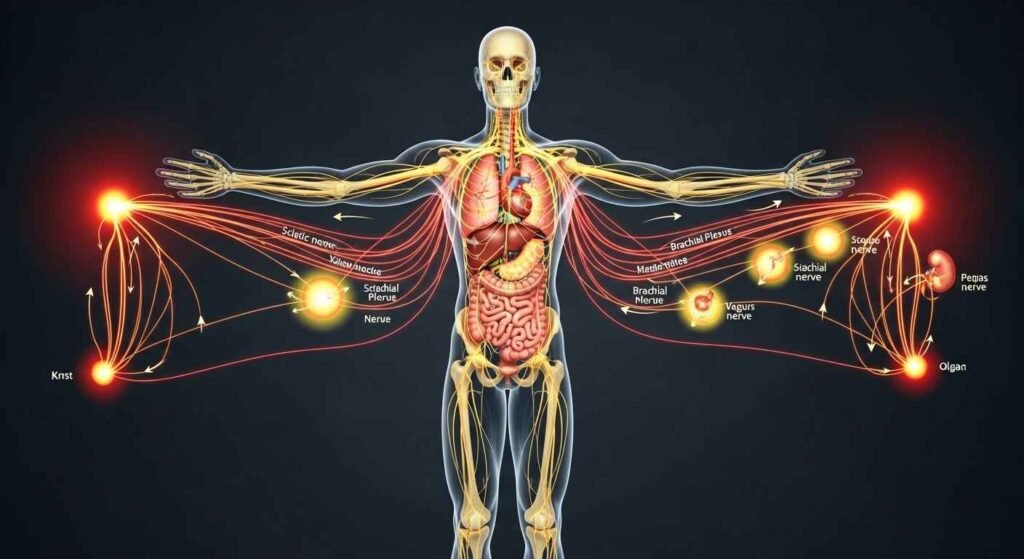
Next, it looks for the nervous system wires. Nerves tell your brain how to move your arms and legs. When the disease attacks these wires, the signals get lost. This is why some patients start to trip or drop things. The body is losing its ability to talk to its own parts.
The Internal Attack on Vital Organs
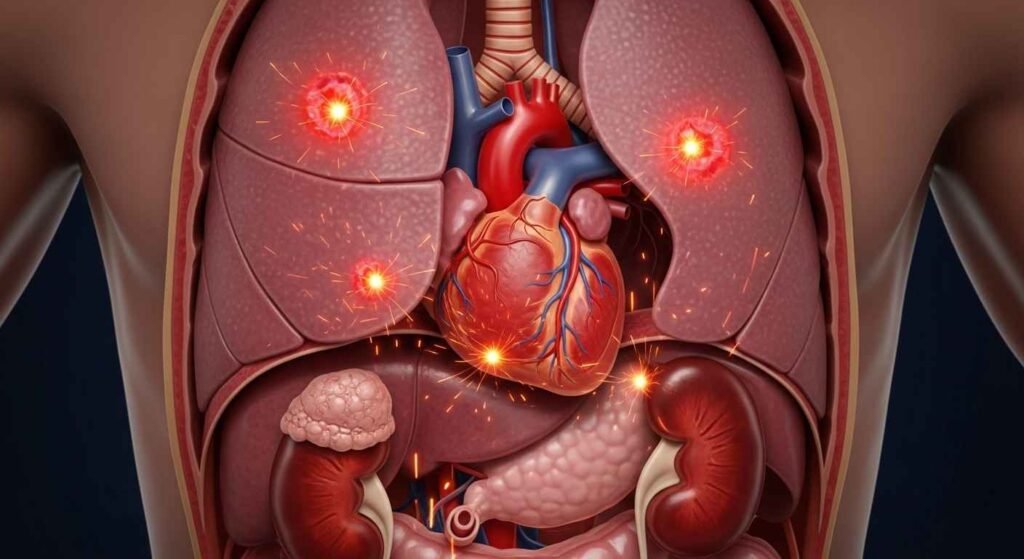
This illness is a threat because it goes deep into the chest and belly. It can reach the lungs, the heart, and the kidneys. The problem is that you cannot always feel swelling inside your organs. The disease creates a lot of heat and damage inside.
Over time, this makes the organs grow thick and very tough. Doctors call this process fibrosis. When a lung or a heart becomes too tough, it cannot move well. The organs are like a team. If one player stops working, the others work much harder. This chain reaction puts a lot of stress on the body and leads to failure.
Stopping the Path: How Kialodenzydaisis Kills the Nerves
One major way this illness leads to death is through nerve failure. Your brain sends signals to your lungs so you breathe. It sends signals to your heart so it beats. This is called the autonomic system. If the disease damages these nerves, the signals stop working. The body “forgets” how to keep the heart pumping.
Sleep is when the body tries to repair this nerve damage. For someone with this illness, sleep is very important. During deep sleep, the brain flushes out toxins. However, the disease can make it hard to sleep. Pain and “restless legs” keep patients awake. This bad cycle leads to more nerve damage and can be very dangerous during the night.
The Role of Genetic and Environmental Triggers
Why does this happen to some people and not others? Scientists look at genes to find the answer. Genes are the blueprints for your body. Some people are born with a “glitch” in their code. This glitch makes their immune system more likely to get confused.
Having the gene does not mean you will definitely get sick. It just means the door to the house is unlocked. Environmental triggers walk through that door to start the fire. This could be a bad virus, pollution, or strong chemicals at work. Smoking also makes the swelling much worse. Once the fire starts, the genes make it hard to put out.
Why Diagnosis is So Hard
One of the biggest hurdles is getting a name for the pain. Many doctors have never seen this rare illness. They might tell you it is just stress from work. They might think it is a different disease like Lupus. This is very frustrating for the person who feels sick.
By the time the right tests are done, the damage may be deep. We need better ways to find the truth early on. Blood tests that look for specific markers are the best tool. If we find it early, we can stop the attack before it reaches the heart.
Managing a Multi-System Disease
There is no “magic pill” to fix this disease today. However, we have ways to slow it down. Doctors use medicine like biologics to “calm” the immune system. It is like telling an angry dog to sit and be quiet. Because it is a “multi-system” illness, it can be in your skin and heart at once.
You often need a team of five different doctors. Usually, a doctor called a rheumatologist leads the team. They look at the big picture to see how the disease is moving. This team approach helps coordinate the use of immune-calming drugs. It is the best way to manage the risks and keep you safe.
The Importance of Physical Therapy
Movement is a type of medicine for the nerves. When nerves are damaged, muscles get very weak. If you do not move, the muscles turn into “jelly” over time. Physical therapy helps the brain find new ways to send movement signals.
It keeps the joints from getting too stiff to move. It also helps the heart stay strong and healthy. A strong heart can handle the stress of the disease much better. Even small walks or stretching at home can make a big difference in how long a person lives.
Food as a Tool for Healing
What you eat can help or hurt the swelling in your body. Some foods act like gasoline on a hot fire. Sugar and fried foods make the body more inflamed and angry. This makes the disease move much faster through your organs.
Foods like fish, berries, and green leaves help put the fire out. They have things called antioxidants inside them. These small tools help fix the damage in the tiny cells. While food cannot cure the disease, it makes the body a harder place for the illness to live.
Emotional Support and Mental Care
Living with this condition is a very heavy burden to carry. Many patients feel very sad or scared about the future. This stress actually makes the physical pain feel much worse. The brain and the body are connected by the same wires.
Support groups are very helpful for the mind. Talking to others who feel the same pain takes away the loneliness. If you are helping a loved one, the best thing you can do is listen. Help them with daily tasks like cooking. Lower stress levels mean less inflammation in their heart.
Protecting the Lungs and Heart
Since these are the most at-risk spots, we must guard them carefully. Patients should stay away from people who have a cold. A simple cough can turn into a deadly lung infection. The lungs are too weak to fight off new germs.
Regular check-ups with a heart doctor are key to staying safe. They can use sound waves to look at the heart muscle. This is called an echo test. It helps find swelling before it becomes a big crisis. Knowing the danger is there helps the doctors act fast to save a life.
The Future of Research
There is a lot of hope on the horizon for patients. Every year, we learn more about the code of this disease. Scientists are working on ways to “reset” the entire immune system. They want to teach the body to recognize its own tissue again.
New trials are testing a thing called gene therapy. This would fix the glitch in the person’s blueprint. If we can fix the blueprint, the disease may never even start. This is the ultimate goal for the next ten years of medical science.
The Danger of Ignoring Minor Aches
Many people wait too long to see a doctor. They think the pain will go away on its own. In this disease, time is your most valuable asset. Ignoring a tingle in your toe could allow the disease to reach your spine. Once it reaches the spine, the risk of paralysis goes up.
Listen to your body when it whispers. If something feels wrong for more than two weeks, tell a professional. Early action is the only way to keep the illness from turning deadly. It stops the silent progression before it causes permanent harm.
How Inflammation Blocks the Blood
Inflammation also happens inside the tiny blood pipes. When these pipes get swollen, the blood cannot flow through. This means oxygen cannot reach the brain or the muscles. Without oxygen, parts of the body begin to die.
This can lead to small strokes or heart attacks. The body tries to fix the pipes, but it creates scars instead. These scars make the pipes narrow and hard. This is why many patients feel cold in their hands and feet. The blood is struggling to reach the ends of the body.
Recognizing Vascular Stress
You might notice your skin turning a blue or purple color. This is a sign that the blood is not moving well. It is a red flag that the disease is affecting your circulation. If this happens, you need to see a specialist who knows about blood vessels.
Monitoring the Progression Daily
Patients should keep a small book to write down how they feel. Did the pain move from the left hand to the right? Is it harder to breathe today than yesterday? This “log” helps doctors see patterns that a single blood test might miss.
Patterns tell the story of the disease. If the symptoms move fast, the medicine needs to be stronger. If they move slow, the current plan is working. Being your own “health detective” turns the mystery into a map that you can follow.
You May Also Like: Ultimate Arcyart Artists Directory: Discover Hidden Talent Now
Summary of the Silent Risk
Kialodenzydaisis is a complex foe for any person. It hides in the nerves and moves slowly to the vital organs. It kills by stopping the important signals the body needs to live. But it does not have to be a death sentence for you. With early care and the right medicine, the truth can be brought into the light.
Frequently Asked Questions
Is kialodenzydaisis contagious between people?
No, you cannot catch this from another person. It is not like a cold or a flu virus. It happens because of a person’s own genes and the things in their world. You are safe to hug and be near someone who has this illness.
Can children get this rare disease?
It is very rare to see this in young children. Most cases show up in adults between the ages of thirty and fifty. However, some teens have shown early signs of nerve pain. Doctors are still studying why it starts at different ages.
How kialodenzydaisis kills if it is left untreated?
Many people live for many years with the right medical care. The key is finding the illness before the organs are damaged too much. If caught early, a person can live a nearly normal and long life.
What is the most accurate test for this?
A nerve biopsy and special blood tests are the best way to know. These tests look for the specific “glitch” in the person’s immune system. MRI scans also help the doctor see if the spine is being attacked.
Does stress make the disease kill faster?
Yes, high stress releases chemicals that increase the swelling inside. This can speed up the damage to the heart and the tiny nerves. Finding ways to stay calm is a vital part of staying alive for a long time.
Disclaimer
The information in this article is for educational use only. It does not provide medical advice, diagnosis, or treatment. Always seek the advice of your physician or other qualified health provider with any questions regarding a medical condition. Never ignore professional medical advice or delay seeking it because of something you have read here. This content is not a substitute for professional clinical judgment.

Emma Rose is a simple, clear, and helpful writer at Blogtime. She enjoys creating easy-to-read articles on tech, lifestyle, travel, and everyday tips. Emma’s goal is to make learning simple for everyone by explaining ideas in friendly and easy words. When she’s not writing, she loves reading, exploring new places, and finding inspiration in everyday life.