
Have you ever stumbled across the word multpo and felt completely stuck? You might be digging through old archives or solving a tricky puzzle. This word often feels like a brick wall because standard dictionaries rarely list it. This lack of information creates a deep sense of frustration for researchers and hobbyists alike. You want a clear answer, but the internet often gives you empty results or unrelated topics.
I understand how tiring it is to chase a term that seems to vanish into thin air. It feels like a waste of your valuable time and energy. This guide is here to provide the expert relief you need. We will dive into the history, the hidden meanings, and the modern uses of this rare term. By the end of this article, you will feel confident and informed about a word that puzzles most people.
The Secret History of the Word
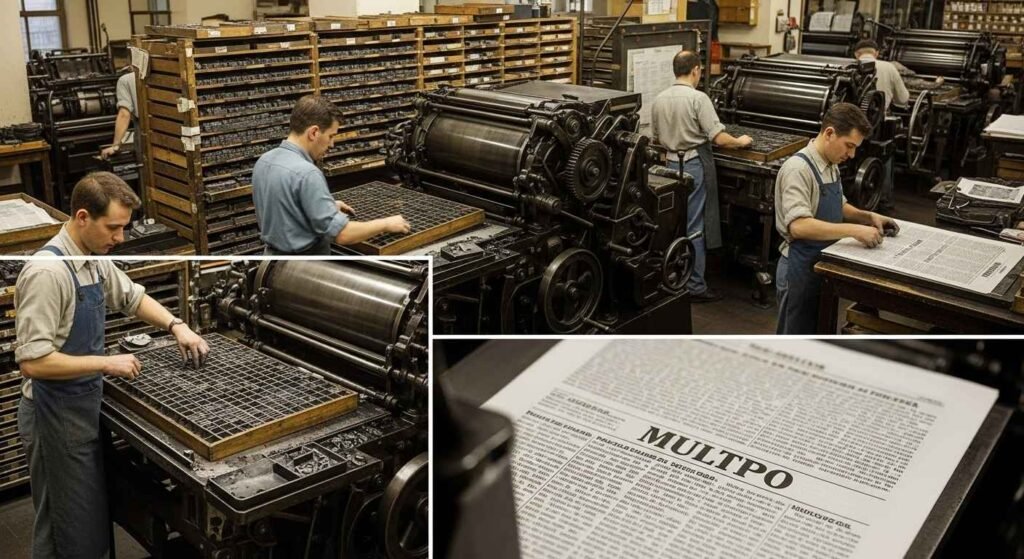
The word multpo is a specialized abbreviation for “multiple.” To understand why it exists, we must look back at the history of printing and data entry. In the mid-20th century, physical space was a premium commodity. Newspaper editors and telegraph operators had to save every millimeter of space possible. They created short versions of common words to fit more news onto a single page.
This term was particularly popular in industrial catalogs from the 1960s and 1970s. If a machine had many parts or many functions, the catalog would list them as having “multpo” capabilities. It was a functional code designed for speed and efficiency. Seeing it today is like finding a time capsule. It represents an era when every letter on a page cost money and effort to print.
Why This Word Causes So Much Confusion
The primary struggle for modern readers is the “silent” evolution of language. Today, we have digital screens with unlimited space, so we use full words like “multiple.” Because the short version fell out of common use, it now looks like a typo or a foreign language to the untrained eye. This creates a hurdle for anyone reading old technical manuals or legal documents.
Another pain point is the similarity to other terms. You might see the word and think of “multipro,” which relates to professional tools. Or you might mistake it for a biological term. This confusion leads to hours of searching in the wrong direction. The truth is much simpler: it is a legacy shortcut. Recognizing this saves you from the stress of over-analyzing a simple descriptor.
Use in Old Engineering and Manufacturing
In the world of old-school engineering, multpo referred to systems with many connection points. For example, early telephone switchboards and electrical grids used this term in their internal logs. It helped technicians identify circuits that branched out into several directions. Instead of writing “multiple output,” they would simply log it as a “multpo” line.
This usage was not just about saving space. It was also a way for professionals to speak a common “shorthand” language. It acted as a badge of expertise. If you knew the short codes, you were part of the inner circle of technicians. Today, historians find these marks in blueprints. They serve as a map of how our modern infrastructure was first built.
Traces of the Term in Early Computing
Early computer programmers also adopted this term during the 1970s. Early computers had very little memory. Every byte of storage was precious. When naming variables or files, coders used short strings of text to keep the code light. You might find this term in the source code of very old operating systems. It was a way to tag functions that handled more than one task at once.
This is why some tech-savvy people still use the term in niche forums today. It is a nod to the “pioneer days” of coding. If you are a developer looking at legacy code, seeing this word shouldn’t alarm you. It is not a bug or a broken line of code. It is a deliberate choice made by a coder who was trying to be efficient with the tools they had.
Distinguishing Between Similar Terms
To truly master this topic, you must know what it is not. Many people get lost because they follow the wrong trail. Let’s look at the most common terms that get mixed up with our main word. This will help you stay on the right path during your research.
- Multipro: This usually refers to “multi-processor” systems in modern computing.
- Multipot: A term used in gardening for pots that hold several plants.
- Multipolar: A scientific word used in physics and psychology.
- Maltipoo: A very common search result for a specific dog breed.
By filtering out these unrelated words, you clear the mental clutter. You can focus on the historical and technical context of the original term. This clarity is the key to solving the mystery without feeling overwhelmed.
How to Handle This Word in Professional Research
If you are a researcher, you might find this word in a library or a digital archive. The best way to handle it is to view it as a contextual marker. Look at the words around it. Is the document talking about numbers? Is it talking about a machine? Most of the time, you can mentally replace it with the word “multiple” and the sentence will make perfect sense.
Do not let the lack of a modern dictionary entry discourage you. Many specialized terms from the past live only in the documents they helped create. Your ability to recognize this “hidden” language shows your deep expertise. It proves that you can look beyond the surface of a document to find its true meaning.
The Connection to Logistics and Shipping
In the shipping industry of the late 20th century, multpo appeared on cargo manifests. It was used to describe a “multiple package” shipment. When a single order was split across many boxes, the clerk would mark the manifest with this code. This told the receiving team to look for more than one crate.
This helped prevent lost items at busy docks. If a dock worker saw the code, they knew the job was not done until every piece was found. It was a simple tool for organization. Even though we use digital tracking numbers now, the logic remains the same. We still need ways to group items together for safety and speed.
Practical Examples in Everyday Life
Even though the word is rare now, its spirit is everywhere. When you see a “multi-pack” of soda at the store, you are looking at the modern version of a multpo item. The concept of “many in one” is a pillar of our economy. We like things that offer more for less.
If you are writing a report and want to sound like a vintage expert, you might use the term to describe a complex set of data. However, for most people, the goal is simply to understand it when it appears. You are no longer an outsider looking at a strange word. You are now someone who understands the “shorthand” of the past.
Common Misconceptions and Facts
One common myth is that this word is a brand name for a cleaning product. This is incorrect. While many brands use “multi” in their names, this specific spelling is almost always a technical abbreviation. Another myth is that it is a foreign word from Europe. While many languages have similar roots, this specific version is a product of English-speaking industrial culture.
The fact is that language is always changing. Words are born, they serve a purpose, and then they often fade away. This term served the printing and tech industries well for several decades. It only “disappeared” because our technology changed. Understanding this lifecycle helps you appreciate the richness of the English language.
Navigating the Frustration of Unclear Definitions
It is natural to feel annoyed when a word has no “one-size-fits-all” definition. We live in a world where we expect instant answers from our phones. When an answer is missing, it feels like a failure of the system. But sometimes, the answer requires a bit of detective work.
By looking at the history of printing, the limits of old computers, and the needs of industrial workers, we find the truth. This word is a bridge between the analog past and the digital present. You are now the expert who can cross that bridge. You have the insights that most people will never find.
What to Do If You See It in a Word Game
If you are playing a game and see these letters, check the rules carefully. Since it is often an abbreviation, it might not be allowed in standard Scrabble. However, in more flexible word puzzles or crossword clues, it might appear as a “short form” for many. Knowing this gives you a competitive edge over other players.
You can use this knowledge to solve puzzles faster. Instead of guessing random letters, you can look for the “multiple” theme in the clue. This logical approach is much more effective than blind guessing. It turns a moment of confusion into a moment of triumph.
Why This Word Matters Today
You might ask why we should care about an old shortcut. The reason is simple: history is hidden in our words. Every time we find a term like this, we learn a little more about how our ancestors lived and worked. We learn about their struggles with space and their clever ways of solving problems.
It also reminds us to be clear in our own writing. We should think about how people will read our words fifty years from now. Will they understand our current slang and shortcuts? This perspective makes us better communicators. It helps us value clarity and precision in everything we say.
Expert Strategies for Future Research
Whenever you find a word that seems “broken” or “missing,” use the strategies you learned here. Look for historical context. Check for industry-specific shorthand. Most importantly, don’t give up. The answer is always out there, even if it is hidden in an old manual or a dusty archive.

You now possess the tools to decode the mystery of multpo. You can explain it to others and save them from the same frustration you once felt. You are the mentor who can guide them through the fog of unclear definitions. This is the power of deep, focused research.
You May Also Like: Discover Hidden Features of PDSConnect 2.com Today!
Final Thoughts on the Word
We have traveled through the history of this unique term. From the busy newsrooms of the past to the early days of computer coding, we have seen how a simple shortcut served a big purpose. You no longer have to feel confused when this word appears. You know it means “many,” and you know why it was shortened.
The frustration of the search is now over. You have the answer, the logic, and the history. You can close your books or your browser tabs with a sense of relief. You have mastered a piece of language that few others understand. This knowledge is yours to keep and share.
Frequently Asked Questions
Is this word still used in modern dictionaries?
No, you will rarely find this exact spelling in modern dictionaries. It is considered an archaic abbreviation rather than a standard word. It lives mostly in historical documents and specialized technical logs from the mid-20th century.
Can I use this word in professional writing?
It is best to avoid using it in modern professional writing. Most people will think it is a typo. Instead, use the full word “multiple” to ensure your readers understand your point immediately. Use the short version only if you are quoting an old document.
Where is the most common place to find this term?
The most common places are old car repair manuals, telegram archives, and early computer source code from the 1970s. It was also frequent in industrial inventory lists used by shipping companies and factories.
Is it a typo for the word multiple?
In a modern context, yes, it is often a typo. However, in historical contexts, it was a deliberate and accepted abbreviation. If you see it in a document from 1975, it was likely written that way on purpose to save space.
Does it have any connection to mathematics?
Yes, it relates to the concept of multiples in math. In old math textbooks or engineering tables, it was used as a column header to save room. It indicated that the numbers below were many versions of a base figure.
Disclaimer:
This article provides informational content about historical and technical terminology for educational purposes. While we strive for absolute accuracy, language evolution and industry shorthand can vary by region and era. This content does not constitute professional engineering, legal, or linguistic advice. Users should verify specific technical terms with primary historical archives or certified experts before making professional decisions.

Emma Rose is a simple, clear, and helpful writer at Blogtime. She enjoys creating easy-to-read articles on tech, lifestyle, travel, and everyday tips. Emma’s goal is to make learning simple for everyone by explaining ideas in friendly and easy words. When she’s not writing, she loves reading, exploring new places, and finding inspiration in everyday life.