
Many people feel confused when they see the phrase wearables feedworldtech. It looks like two ideas placed together, but no one explains it in clear words. Some think it is a new tool. Some think it is a smart device brand. Others think it is a tech topic that keeps showing up online. Because there is no simple guide, readers try to figure it out on their own and end up more confused.
In easy words, wearables feedworldtech is a mix of two things. The first part is wearable technology. These are small smart tools that you can wear on your body. The second part is Feedworldtech. It is a digital platform that talks about new tech and shares updates about gadgets and trends. When people say wearables feedworldtech, they are trying to understand how wearable devices and this platform connect.
This guide explains the real meaning behind the phrase. It also shows how these devices work, where the idea came from, and what is true or not. You will learn about risks, uses, and future changes in simple words. The goal is to clear the confusion around wearables feedworldtech so you can finally understand what the keyword points to.
What Is Wearables Feedworldtech in Simple Words
Wearables feedworldtech is a short way to talk about wearable technology and how Feedworldtech covers it online. Wearable tech includes tools like smartwatches, fitness bands, digital glasses, and even smart clothing. These tools collect small bits of information from your body. They check things like steps, heart rate, sleep time, or movement.
Feedworldtech writes about these ideas and explains new updates. So the phrase wearables feedworldtech is not the name of a gadget. It is a mix of two ideas. The first idea is smart devices that you can carry on your body. The second idea is a tech site that explains how these gadgets affect daily life.
Some readers think it is one new product, but that is not true. It is simply a topic where wearable tools meet online tech news. When both ideas come together, they create a place where people can learn what these devices mean, how they change habits, and why they matter in today’s world.
Why This Keyword Exists and Why People Search It
This keyword exists because two ideas became connected online. When people read about wearable tools, they also want simple and trusted info. Feedworldtech covers new devices, so search engines began pairing the ideas together. Over time, people saw the phrase and tried to figure out what it really means.
Many users want to understand wearable gear and how it fits into modern life. Others want a basic guide that cuts through confusing posts found on many sites. Some pages online use the keyword without giving clear answers, which creates even more confusion. Because of this, readers keep trying to find a guide that tells the truth in easy words.
The keyword fills a need for clear, simple, helpful details about wearables and their link to tech updates. That is why you see more people typing it and looking for a real explanation.
How Wearables Work Behind the Scenes
Wearable devices look small on the outside, but inside they hold tiny tools called sensors. Sensors act like little helpers. They feel movement, heart rate, skin warmth, and other signals from your body. When you walk, the sensor feels your steps. When you sleep, it can notice your rest patterns. These small parts collect the information quietly in the background.
After collecting the data, the device sends it to an app on your phone. The phone can read the numbers and turn them into simple charts. You can see how much you walked, how fast your heart beat, or how many hours you slept. The device can update in real time. This means it sends fresh information while you move.
This process feels quick, but it happens in steps.
- A sensor picks up a signal.
- The device stores the signal for a short time.
- The device sends the signal to the phone.
- The app turns the signal into a picture or number you can read.
This simple flow helps users understand their body and actions each day.
Types of Wearables Everyone Should Know
Wearable tools come in many shapes. Each type assists with a different need. Some devices track fitness. Some focus on health. Others show digital info or support daily tasks. Knowing the types helps you pick what fits your life.
Common Wearable Devices and Their Uses
| Device Type | Main Use | Who Needs It | Difficulty Level |
|---|---|---|---|
| Smartwatch | Tracks time, steps, heart rate, and alerts | Students, workers, older adults | Easy |
| Fitness Tracker | Checks activity and sleep | People who want daily fitness info | Very easy |
| Digital Glasses | Shows tiny screens and basic AR info | Tech fans, early adopters | Medium |
| Smart Clothing | Follows movement and posture | Athletes, people in training | Medium |
| Medical Wearables | Checks things like blood sugar or heart rhythm | Patients, doctors, caregivers | Medium to high |
These tools make daily life smoother and give simple insights about your body or tasks.
Wearables Feedworldtech and Health: What Is Real and What Is Hype
Wearable devices can help us see simple health data. They check things like heart tracking, sleep tracking, and stress levels. Many devices give useful info. For example, a smartwatch can count your steps or tell when your heart beats fast. Fitness trackers show how well you sleep.
But some info is not always perfect. Sensors can make mistakes if the device is loose, the wrist is wet, or the person moves a lot. Stress data may be guessed by heart rate, not measured exactly. Sleep tracking can be off if you shift in bed.
Doctors say these tools can guide healthy habits. They help remind you to move, sleep, or relax. But they cannot replace real medical tests. If someone feels sick, a doctor should check them.
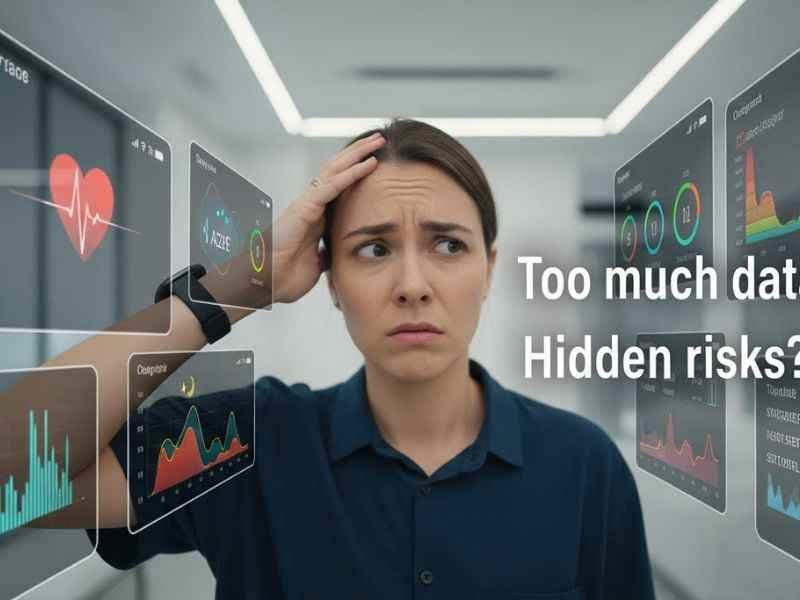
Real examples show usefulness. A person used a smartwatch to notice high heart beats during exercise. Another tracked sleep and realized late-night snacks made rest worse. These devices help see patterns, but the numbers are not always exact.
How Feedworldtech Covers These Devices and Why It Matters
Feedworldtech explains wearable technology in simple ways. The platform shows new gadgets, writes device reviews, and gives trend updates. It helps readers learn what devices do and how to choose them.
The site explains features like step counting, sleep tracking, or smart alerts. It also compares tools so users see which fits their needs. Feedworldtech makes tech easy to understand.
Not all info online is correct. Some sites exaggerate what devices can do. Feedworldtech focuses on real facts. It shows both benefits and limits.
Security and Privacy Risks People Need To Know
Wearables collect personal data. That can be helpful, but it may cause safety risks. Apps and devices can track location, habits, and health info. Knowing risks helps users stay safe.
Common Risks
| Risk | How It Happens | How To Stay Safe |
|---|---|---|
| Data theft | Hackers access device or app | Use strong passwords, enable updates |
| Location tracking | GPS in device shares position | Turn off location when not needed |
| App over-access | Apps ask for too many permissions | Review permissions, remove extra access |
| Lost device | Device stores sensitive info | Use lock codes and remote wipe |
| Sharing online | Uploading health stats to social apps | Limit what is shared publicly |
Being aware of these risks keeps wearables helpful and safe. Users should check apps and settings. Privacy is part of smart use.
Wearables Feedworldtech and Artificial Intelligence
Artificial intelligence makes wearables smarter. AI watches patterns in steps, sleep, heart rate, and stress. It can give real-time advice. For example, if you walk less, AI may suggest a short exercise. If sleep is poor, it may give bedtime tips.
AI can give smart predictions. It notices small changes in your activity. Stress alerts can warn if heart rate rises too much. Fitness tips adjust automatically based on progress.
Limits exist. AI guesses from patterns, not exact tests. It cannot replace doctors or professional advice. AI is like a helper, not a healer.
How Wearables Improve Daily Life in Simple Ways
Wearables can make daily life easier. They help with productivity tools, reminders, daily activity tracking, and family safety.
For example:
- Smartwatches remind kids to drink water or finish homework.
- Fitness trackers track steps and encourage movement.
- Alerts help parents know if children are safe or active.
- Some devices track routines to improve sleep or meals.
Real stories show benefits. A worker used a wearable to remember breaks and exercise during office hours. A parent noticed a child’s bedtime improved using sleep reminders. These small aids make routines smoother.
Future of Wearables Feedworldtech: What Experts Expect Next
Experts say wearables will get smaller, smarter, and more helpful. Smart fabrics may track heart rate or posture without extra devices. Sensors might be implantable, giving real-time health info. AR glasses could show directions, reminders, or fitness stats directly in front of your eyes.
Health sensors will become more accurate. Devices may detect sugar levels, blood pressure, or stress changes instantly. Smart clothing will track movement during sports or daily routines.
Feedworldtech predicts these trends carefully. Experts avoid hype. Future wearables aim to blend into life naturally.
How To Choose the Right Wearable Without Wasting Money
Choosing a wearable can be simple if you follow a few steps. First, think about what you want. Do you need step counting, sleep tracking, or reminders? Knowing this helps you pick the right device.
Next, read a buying guide or wearable tips. Compare features, battery life, and app support. Check if the device is easy to use. Avoid buying because of looks only.
Mistakes beginners make include buying expensive devices without checking if they need all features. Others buy gadgets that do not sync well with their phone.
A simple checklist helps:
- Decide main purpose
- Check battery life
- See if it works with your phone
- Read real reviews
- Avoid overpaying for extra features
Problems Most People Face With Wearables and How To Fix Them
Wearables are helpful, but sometimes issues happen. Battery issues can stop the device from working. Syncing problems can make your app not show data. Sometimes readings are inaccurate.
Simple solutions fix most problems. Charge your device fully before use. Restart devices to fix syncing. Make sure sensors touch skin correctly. Update the app for latest fixes.
If steps are counted wrong, clean the sensor. If sleep tracking is off, wear the device loosely at night. These small fixes keep your wearable working well.
Common Myths About Wearables Feedworldtech
Wearables have many myths. Some people think they can replace doctors. That is false. Devices give hints, not medical diagnosis.
Other myths include:
- Smartwatches can predict all health problems
- Fitness trackers show exact calories burned
- Wearables work perfectly for everyone
- Devices track sleep perfectly
- They can prevent all stress or illness
- All apps are safe to use
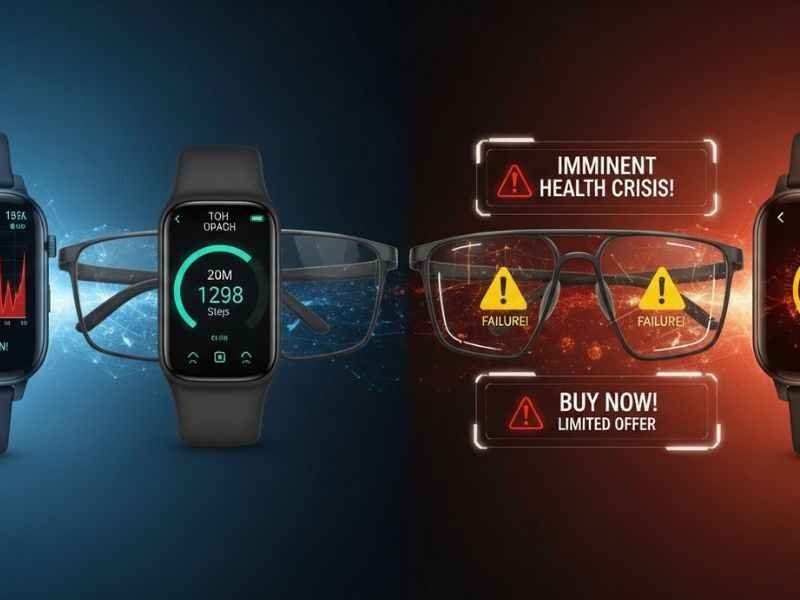
The truth is simple. Wearables give data, reminders, and guidance. They are helpful tools, but they cannot do everything.
Expert Insights: How Wearables Affect Work, School, and Family Life
Wearables can improve life at home, school, and work. At work, productivity insights help people take breaks and track activity. A person used a smartwatch to remember to stretch every hour.
In school, kid wearables can track steps or remind students about tasks. Some schools use devices for fun projects like measuring running distance or daily activity challenges.
Family safety is another benefit. Parents can use reminders or location alerts. Smart devices can help children follow routines or stay active.
You May Also Like: Team Disquantified: Understanding Its Real Impact on Collaboration and Productivity
Conclusion
Wearables feedworldtech helps you understand wearable devices and how they work with tech updates. Smart devices can track steps, sleep, and stress. They guide habits, improve productivity, and support family safety.
Choosing the right device, knowing myths, and understanding privacy helps you use wearables wisely. Experts say wearables will get smarter and easier to use.
FAQs About Wearables Feedworldtech
What are wearables?
Wearables are small devices you wear on your body. They can track steps, heart rate, sleep, and daily activity.
How do wearables help with fitness?
They count steps, show calories burned, and track movement patterns. This helps you stay active and meet fitness goals.
Can wearables replace a doctor?
No. Wearables give helpful hints but cannot do medical tests. Always see a doctor for health problems.
Are wearable devices safe to use?
Yes, if you use strong passwords, keep software updated, and check app permissions.
How does sleep tracking work?
Wearables sense movement and heart rate while you sleep. They show patterns to help you improve rest.
Do wearables measure stress accurately?
They estimate stress using heart rate and activity. Numbers may not always be exact but give a useful guide.
How do I pick the best wearable?
Check your main purpose, battery life, phone compatibility, and read real reviews before buying.
Can kids use wearables at school?
Yes, wearables can remind kids about tasks, track activity, and help with simple school projects.
Do wearables need apps?
Yes, apps collect the data from the device and show charts and summaries that are easy to read.
How long does battery last on wearables?
It depends on the device and usage. Most wearables last from 1 to 7 days before charging.
Can AI improve wearables?
Yes, AI can suggest exercise, sleep tips, and stress alerts based on your activity patterns.
Are all apps for wearables safe?
No. Only download apps from trusted sources and check what permissions they ask for.
Do smart clothes count as wearables?
Yes. Smart fabrics can track heart rate, movement, and posture.
Why use wearables with Feedworldtech?
Feedworldtech explains wearable tech simply. It shows how devices work, shares trends, and helps readers pick tools wisely.
Disclaimer
This article about wearables feedworldtech is for informational purposes only. It is not medical or professional advice. Wearable devices can provide helpful data, but they do not replace guidance from a qualified professional. The authors are not responsible for any actions or outcomes based on this information.

Emma Rose is a simple, clear, and helpful writer at Blogtime. She enjoys creating easy-to-read articles on tech, lifestyle, travel, and everyday tips. Emma’s goal is to make learning simple for everyone by explaining ideas in friendly and easy words. When she’s not writing, she loves reading, exploring new places, and finding inspiration in everyday life.